Welcome To DWT Listing Theme
-
All Locations :

Welcome To DWT Listing Theme
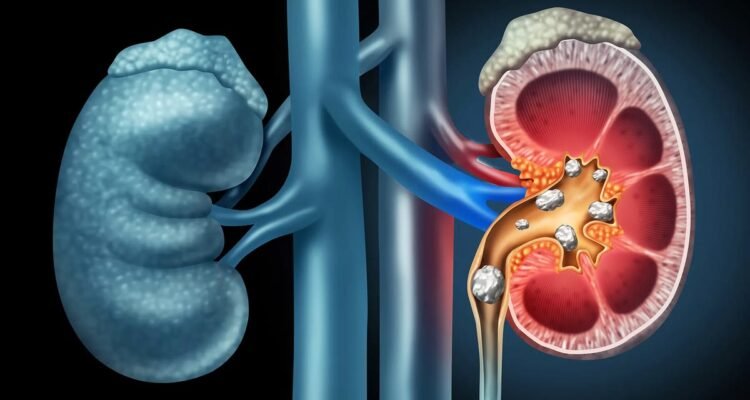
Kidney stones often show up without much warning.
One day you feel fine. The next, you’re dealing with pain that seems impossible to ignore. Some people describe it as one of the worst pains they’ve ever experienced. Others only notice mild discomfort at first.
The tricky part is that not every kidney stone causes symptoms right away. Small stones can pass without much trouble, while larger ones may block the flow of urine and need medical care.
So, how do you know when it’s time to see a urologist?
Let’s go through the signs, what causes kidney stones, and when you should seek treatment instead of waiting for the pain to settle.
What Are Kidney Stones?
Kidney stones are hard deposits made from minerals and salts that form inside the kidneys.
Your kidneys filter waste from your blood and help remove it through urine. Sometimes, minerals like calcium, oxalate, and uric acid become concentrated and stick together. Over time, they form crystals that grow into stones.
These stones can stay inside the kidney or move into the urinary tract. When they begin to travel, symptoms usually appear.
What Causes Kidney Stones?
Kidney stones can develop for many reasons.
Some common causes include:
Many people are surprised to learn that dehydration is one of the biggest risk factors.
If your urine stays concentrated for long periods, minerals are more likely to form stones.
Early Symptoms of Kidney Stones
Not every stone causes severe pain.
In the beginning, you may notice:
These symptoms are easy to ignore.
Some people think they’ve simply pulled a muscle or have a minor infection.
Common Kidney Stone Symptoms
As the stone moves through the urinary tract, the symptoms often become more noticeable.
Severe Pain in the Side or Back
This is the symptom most people recognize.
The pain usually starts below the ribs and may spread toward the lower abdomen or groin.
It often comes in waves.
One moment it feels manageable.
A few minutes later, it becomes much stronger.
Pain During Urination
If the stone reaches the lower urinary tract, passing urine may become painful.
Many people mistake this for a urinary tract infection.
Blood in the Urine
Your urine may appear:
Sometimes, the blood isn’t visible and is only detected during laboratory testing.
Frequent Urination
You may feel the need to urinate more often than usual.
Even after emptying your bladder, the urge may return quickly.
Nausea and Vomiting
Severe kidney stone pain can trigger nausea.
Some people also experience vomiting during painful episodes.
Cloudy or Foul-Smelling Urine
Cloudy urine may suggest an infection along with the kidney stone.
This should never be ignored.
Fever and Chills
If you develop fever with kidney stone symptoms, it may mean an infection has developed.
Prompt medical evaluation is needed because infections involving the urinary tract can become serious if left untreated.
When Should You See a Urologist?
Some kidney stones pass naturally.
Others need medical treatment.
You should consult a urologist if you have:
Ignoring these symptoms may allow the stone to grow larger or increase the chance of complications.
How Are Kidney Stones Diagnosed?
A urologist will begin by asking about your symptoms and medical history.
You may also need:
These tests help identify the stone’s size, location, and possible cause.
Treatment Options for Kidney Stones
Treatment depends on the size and position of the stone.
Small Kidney Stones
Small stones often pass naturally with:
Your doctor may ask you to strain your urine so the stone can be collected for analysis.
Larger Kidney Stones
Larger stones may require medical procedures such as:
The most suitable treatment depends on your individual condition.
Can Kidney Stones Be Prevented?
While not every stone can be prevented, healthy habits lower the risk.
Simple steps include:
People who have had one kidney stone are more likely to develop another.
That’s why prevention matters.
Foods That May Help Reduce the Risk
A balanced diet supports kidney health.
Foods to include more often:
Try to reduce:
You don’t have to make every change overnight.
Small changes tend to last longer.
Common Myths About Kidney Stones
Myth: Only older adults get kidney stones.
No.
Kidney stones can affect young adults and even teenagers.
Myth: Drinking less water reduces pain.
Actually, staying hydrated is one of the simplest ways to lower the risk of stone formation, unless your doctor advises otherwise for a specific medical condition.
Myth: Surgery is always required.
Many small stones pass without surgery.
Treatment depends on the stone’s size and location.
Myth: Kidney stones never come back.
People who develop one kidney stone have a higher chance of experiencing another if preventive measures aren’t followed.
Who Is More Likely to Develop Kidney Stones?
Your risk may be higher if you:
Knowing your risk factors helps you take action early.
Choosing the Right Hospital for Kidney Stone Treatment
When symptoms become severe, choosing the right healthcare facility matters.
Look for a hospital that offers:
If you’re searching for the Best Urology Hospital in Nagpur, choose a centre with experienced specialists, modern treatment options, and comprehensive care from diagnosis through recovery. Early treatment can often reduce discomfort and help prevent future complications.
Frequently Asked Questions
Can kidney stones go away without treatment?
Yes.
Small stones often pass naturally with adequate hydration and supportive treatment. Larger stones may need medical procedures.
What does kidney stone pain feel like?
The pain usually begins in the side or back and may spread toward the lower abdomen or groin. It often comes in waves and can vary in intensity.
Is blood in urine always caused by kidney stones?
No.
Blood in urine can have several causes, including infections and other urinary conditions. A medical evaluation is needed to determine the exact reason.
Can dehydration cause kidney stones?
Yes.
Not drinking enough water is one of the most common risk factors because concentrated urine allows minerals to form crystals more easily.
Can kidney stones return?
Yes.
People who have had kidney stones before are at increased risk of developing them again, especially if preventive lifestyle changes are not followed.
Take Care of Your Kidneys Before Problems Grow
Kidney stones rarely improve by ignoring them.
Your body usually gives you signs.
Persistent pain, blood in the urine, repeated urinary symptoms, or fever deserve medical attention. Getting evaluated early can help identify the cause, relieve symptoms, and reduce the risk of future stone formation.

