Welcome To DWT Listing Theme
-
All Locations :

Welcome To DWT Listing Theme
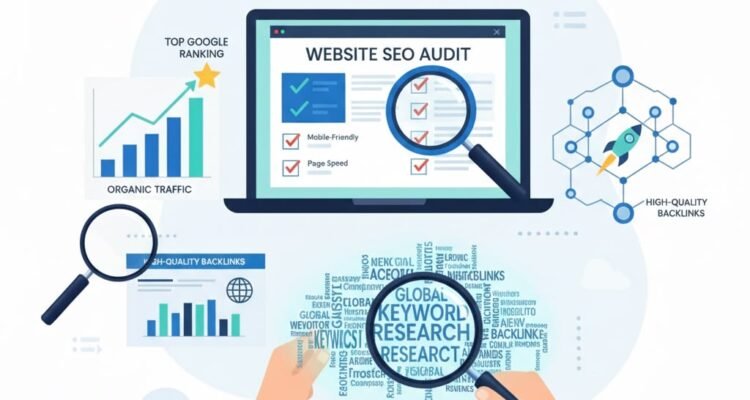
12 Tools That Help You Find and Fix Website Issues
A website can look great and still struggle to rank on Google.
I’ve seen this happen more than once. Pages load slowly. Broken links go unnoticed. Important pages don’t get indexed. Sometimes the issues are small, but together they hold a website back.
That’s where an SEO site audit helps.
A good audit tool scans your website, points out technical problems, and gives you a clear starting point. You don’t have to guess what’s wrong.
If you’re learning SEO or already managing websites, knowing how to use these tools is one of the most valuable skills you can build. Students enrolling in the Best Digital Marketing Classes in Nagpur often spend a good amount of time learning practical site audits because they’re part of almost every SEO project.
Let’s look at the best site audit tools you should know in 2026.
What Is an SEO Site Audit Tool?
A site audit tool crawls your website the same way a search engine bot does.
It checks pages and highlights issues that can affect rankings.
Most audit tools help you identify:
Instead of checking hundreds of pages manually, the software does the heavy lifting.
Why Site Audits Matter
Google wants websites that are easy to crawl and helpful for users.
Even great content can struggle if technical issues pile up.
Regular audits help you:
Think about it this way.
Would you drive a car for years without checking the engine?
Your website deserves the same attention.
This is still one of the most trusted SEO audit tools.
It crawls websites just like search engines and gives detailed reports.
Best for:
Pros
Cons
If you want to become comfortable with technical SEO, this tool is worth learning.
Semrush combines technical audits with keyword research and competitor analysis.
Its dashboard is easy to understand, even if you’re new to SEO.
Key features
It’s a great option if you want everything in one place.
Ahrefs is known for backlinks, but its audit tool has become much stronger over the years.
It helps you discover:
The visual reports make it easier to understand what needs fixing first.
This tool should be connected to every website.
It comes directly from Google and shows how your website performs in search.
You can monitor:
The best part?
It’s completely free.
Website speed matters.
Visitors leave slow websites quickly, and search engines notice.
PageSpeed Insights checks:
It also recommends improvements you can pass to your developer.
Sitebulb simply explains technical SEO.
Instead of only showing numbers, it tells you why an issue matters.
Useful features include:
Many agencies use it alongside other SEO tools.
SE Ranking is becoming popular because it’s easier on the budget.
Features include:
It’s a practical choice for freelancers and small businesses.
GTmetrix focuses on website speed.
It shows:
Small speed improvements often improve user experience.
Google isn’t the only search engine.
Bing Webmaster Tools offers:
It’s free and takes only a few minutes to set up.
If you’re managing very large websites, JetOctopus is worth exploring.
It handles millions of pages and provides detailed crawl data.
Large ecommerce websites often use it because of its speed.
This desktop software gives complete technical reports.
It checks:
Many consultants use it for client audits.
WooRank is beginner-friendly.
It creates reports that are easy to understand.
You’ll find suggestions related to:
It’s a good starting point if you’re learning SEO.
Free vs Paid Site Audit Tools
Which one should you choose?
Free tools are perfect if you’re:
Paid tools make sense when you:
Many SEO professionals actually combine both.
What Should a Good Site Audit Tool Check?
Before choosing software, make sure it covers:
The more complete the audit, the easier it becomes to prioritise fixes.
Common SEO Problems Found During Audits
You might be surprised how many websites have the same issues.
Some of the most common ones include:
Fixing these doesn’t guarantee higher rankings overnight.
Still, they create a healthier website that search engines can crawl more efficiently.
How Often Should You Audit Your Website?
For most websites:
Regular checks help you catch problems early.
Waiting until rankings drop usually means you’ve waited too long.
Learning Site Audits as an SEO Professional
If you’re planning a career in SEO, learning site audits should be one of your first goals.
Reading reports is useful.
Actually fixing the issues teaches you much more.
Students who join the Best Digital Marketing Classes in Nagpur usually practice live website audits, work with industry-standard tools, and learn how to prioritise technical fixes based on real projects. That practical experience makes a noticeable difference when applying for SEO roles.
Frequently Asked Questions
Which is the best free SEO audit tool?
Google Search Console is one of the best free tools because it provides direct insights from Google about indexing, search performance, and technical issues.
Is Screaming Frog free?
Yes. It offers a free version with crawl limits. The paid version unlocks more advanced features and larger crawl capacity.
How long does an SEO audit take?
Small websites may take an hour or two. Larger websites with thousands of pages can take several days to review and prioritise.
Can a site audit improve rankings?
A site audit helps identify technical problems that may affect search visibility. Fixing those issues supports better crawling, indexing, and user experience.
Which tool should beginners start with?
Google Search Console, Google PageSpeed Insights, and Semrush provide a strong starting point for learning website audits.
Final Thoughts
SEO isn’t only about keywords and content.
Technical health matters just as much.
The tools in this guide help you understand what’s happening behind the scenes. They highlight problems you might never notice on your own and make it easier to decide what to fix first.
Start with one or two tools. Learn how they work. Compare their reports. Over time, you’ll begin spotting technical issues before they affect your website’s performance.

