Welcome To DWT Listing Theme
-
All Locations :

Welcome To DWT Listing Theme
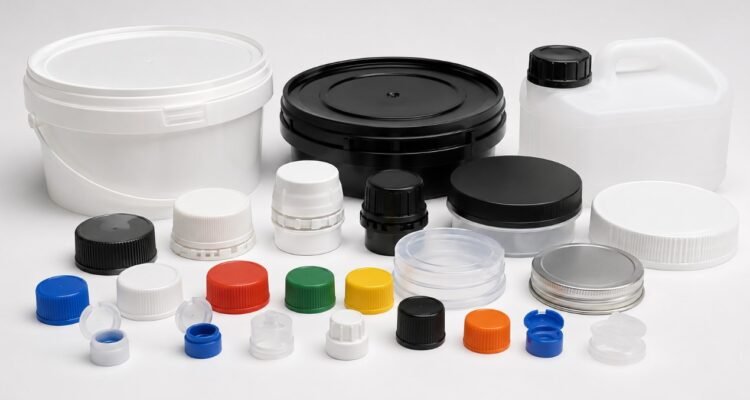
Closures improve safe packaging and storage by keeping products sealed, protected, organised, and easier to handle. A container may look complete on its own, but without the right cap, lid, stopper, seal, or dispensing closure, the contents can be exposed to leakage, moisture, dust, contamination, evaporation, odour loss, and unsafe movement.
The Closures category supports packaging and storage needs across bottles, canisters, plastic buckets, laboratory containers, industrial packs, food packaging, pharmaceutical materials, cosmetics, and chemical storage workflows.
Safe packaging depends on how well the container protects the material inside. Closures help complete that protection by sealing the opening and controlling access to the product.
A good closure can help with:
For liquids, powders, creams, oils, samples, and chemicals, the closure is often the first defence against product loss and contamination.
Leakage can happen when the closure does not match the container thread, opening size, sealing surface, or product type. Even a small gap can allow liquids to escape or vapours to release during storage and transport.
A suitable closure should fit tightly and remain secure during movement, stacking, filling, and handling. For liquid products, the closure may also need an insert, liner, seal, cone, or dispensing system to improve leak resistance.
Leak prevention is especially important for laboratory liquids, cleaning products, oils, solvents, chemicals, and industrial materials.
Bottles are used for many products, including laboratory liquids, cosmetics, food ingredients, cleaning products, samples, and industrial fluids. Each bottle needs a closure that matches the product and the way it will be used.
The Bottle closures category supports packaging options such as screw caps, dropper caps, spray caps, lotion pumps, pipette closures, disc tops, twist-off caps, and dispensing systems.
These closure types help users control how a product is opened, poured, sprayed, dropped, pumped, or resealed. This improves convenience while reducing waste and accidental exposure.
Closures should be compatible with both the container and the stored material. If the closure material reacts with the product, absorbs odour, cracks, softens, or loses sealing performance, the packaging may fail.
Important compatibility checks include:
A closure used for dry powder may not work for volatile liquid. A cap suitable for water-based material may not be suitable for aggressive solvents or oils.
Storage stability means the product remains usable, clean, and protected during its expected storage life. Closures help maintain this stability by reducing exposure to air, moisture, dust, and handling contamination.
This is important for:
A strong closure can help reduce drying, clumping, evaporation, oxidation, odour loss, and contamination risk.
Larger containers need closures that can handle heavier contents, wider openings, and more demanding storage conditions. Bucket lids are important because they help protect materials during handling, stacking, warehouse storage, and industrial use.
The Lid for plastic bucket category supports storage systems where plastic buckets need secure covers for liquids, powders, pastes, waste materials, and industrial products.
A suitable bucket lid helps prevent spills, keeps contents protected, and supports safer movement between storage and work areas.
Canisters are commonly used for liquid storage and transport, especially when durability, chemical resistance, and secure handling are required.
The Canister category supports storage for solvents, reagents, hazardous chemicals, cleaning solutions, laboratory materials, and industrial liquids.
When paired with the right closure, a canister can reduce leakage, improve pouring control, protect liquids from contamination, and support safer transport. The closure should remain secure even when the canister is carried, stacked, stored, or moved around a facility.
Some closures do more than seal. They also help control dispensing. Spray caps, droppers, pumps, taps, inserts, and controlled-pour closures allow users to remove product in a cleaner and more accurate way.
Controlled dispensing helps reduce:
This is useful for cosmetics, laboratory liquids, cleaning solutions, oils, reagents, and small-volume products.
Packaging safety does not end with sealing. Products must also be filled, transferred, sampled, and dispensed correctly.
The Liquid Handling category supports accurate measuring, filling, dosing, sampling, and transfer workflows for laboratory and industrial liquids.
When closures and liquid handling systems work together, users can improve filling accuracy, reduce contamination, and maintain better control during packaging operations.
Closure performance should be checked before products are stored or transported. A poor fit, damaged seal, incorrect liner, or loose thread can create problems later.
The Measuring Instruments category supports testing and quality-control workflows where users may need to check weight, temperature, pressure, volume, viscosity, or storage conditions.
Packaging checks may include fill level, closure tightness, seal quality, leakage resistance, container weight, and product stability.
Before selecting a closure, review the full packaging requirement.
Check whether the closure is for a bottle, jar, canister, bucket, can, tube, or larger storage container.
Liquids, powders, creams, oils, gels, pastes, and granules may all need different closure styles.
Decide whether the product needs airtight, watertight, tamper-evident, child-resistant, resealable, or dispensing protection.
Consider whether the container will be shipped, stacked, opened repeatedly, stored long term, or used in production.
Make sure the closure material and liner are suitable for the product inside.
Packaging failures often happen because closures are treated as a small detail.
Avoid these mistakes:
A small closure issue can cause product loss, contamination, leakage, or customer complaints.
Closures improve safe packaging and storage by sealing containers, preventing leakage, protecting products from contamination, supporting dispensing, and improving transport reliability. They are essential for bottles, canisters, buckets, cans, jars, laboratory containers, and industrial packaging systems.
The best closure should match the container, product type, sealing requirement, storage condition, and handling method.
By choosing suitable closures, checking compatibility, using controlled filling methods, and testing packaging performance, users can improve product protection, reduce waste, and create safer storage workflows from filling to final use.

