Welcome To DWT Listing Theme
-
All Locations :

Welcome To DWT Listing Theme
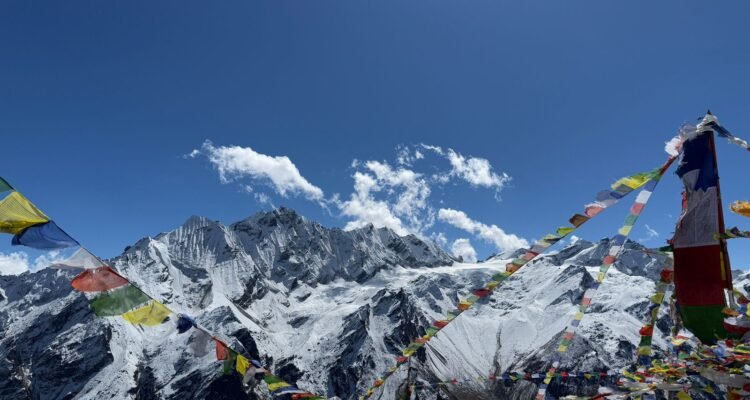
Picture after picture unfolds along the Annapurna Circuit – few trails match its visual pull. Rolling hills draped in rice fields give way to icy summits, sudden shifts that keep lenses busy. Instead of rushing shots, pause. Light changes fast here, turning ordinary moments vivid by midday, then soft near dusk. A phone works just fine, yet knowing when to wait pays off. Moments matter more than gear. Faces in villages, prayer flags fluttering above boulders, dawn spilling across ridges – these stay long after the hike ends.
Picture after picture waits around each bend because the land keeps shifting on the Annapurna Circuit Trek. Starting low where green folds over itself in thick woods and terraced fields. Higher up, stone faces take over, layered with high-altitude grasslands, icy rivers, vast snowfields. With every step upward, light plays differently – off ice, dust, rock – giving new scenes without warning.
Most photos of mountains turn out better when the light feels gentle. Morning brings a quiet glow that paints peaks in warm tones. As the sun climbs higher, shadows sharpen and contrast grows too much. Late in the day, angles flatten again, bringing depth back into view. Harsh rays at noon often wash out details, particularly where snow reflects too much brightness.
Morning light climbs over peaks, revealing sharp outlines of well known Himalayan giants. When skies stay open early, camera shots catch crisper details across distant ridges. Rivers weaving below, fluttering prayer flags, or rooftops from small villages add depth to a frame. Wait long enough, conditions shift – clouds roll in or break apart without warning up high.
Snapping photos along the Annapurna Circuit goes beyond mountain views. Villages tucked into hillsides, quiet monasteries, spinning prayer wheels – these shape moments worth capturing. People live here, so moving gently matters most. Before lifting your camera toward someone, a nod or question can open doors. That small step tends to bring out real expressions, not posed ones.
High up, Thorong La Pass draws photographers for its striking scenery. Bright prayer flags flutter across jagged peaks, adding color against the stone and snow. Reaching it feels rewarding – moments like that stick in your mind. Cold air slows battery chemistry down; gear can quit without warning here. Extra batteries help, tucked close to keep warm until needed.
Sunshine on high ground means crisp shots of peaks cutting through thin air. When fog rolls in, it wraps ridgelines in quiet mystery instead. Wet flakes or blowing grit might find their way into lenses unless covers stay close at hand. Sheltering devices before storms hit keeps them ready when moments turn vivid. Shifting winds demand extra layers packed tight in bags.
Most people trekking the Annapurna Circuit find their phones snap surprisingly good photos. Lightweight, easy to carry – phones fit naturally into a backpacker’s routine. Yet if sharp detail matters more, dedicated cameras deliver stronger results, though they weigh more. How much gear someone wants to haul often shapes that decision just as much as skill level. In the end, it comes down to what feels right for each person, step by step.
Most of the time, less gear works better when walking long distances. One camera – or just a phone – plus extras like charged batteries, storage cards, and covers does the job. Sunrise shots, evening light, or stars might need a small tripod that doesn’t weigh much. Up high, weight counts more, so pack nothing beyond what truly gets used.
Pictures come alive along the Annapurna Circuit, where light shifts like wind through prayer flags. Mountains rise without warning, towering above valleys painted with terraced fields. Instead of rushing at dawn, wait – soft morning glow turns stone into gold. People here move with purpose, their traditions visible in daily routines, not staged for cameras. When clouds roll down from high passes, gear must stay dry, tucked away from damp and dust. A single photo might show laughter, another shows silence between peaks. Through careful timing and quiet presence, moments turn into lasting frames. These images carry more than scenery – they hold breath, cold air, footsteps on frozen trails.

