Welcome To DWT Listing Theme
-
All Locations :

Welcome To DWT Listing Theme
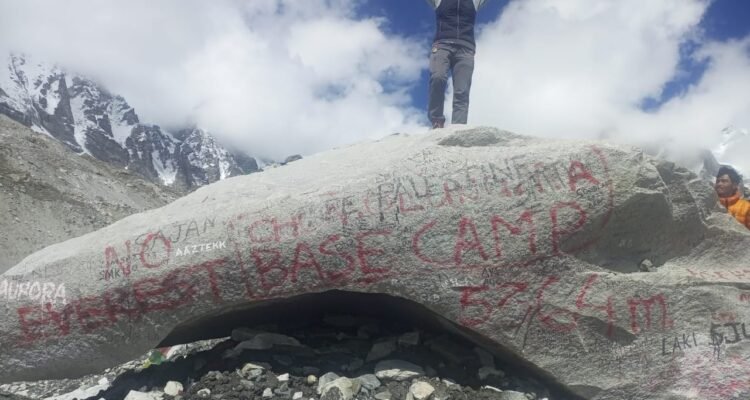
Getting ready for the Everest Base Camp trek matters a lot if you want to make it through. Though many dream of standing near the giant peak, few prepare enough for what lies beneath – long days on foot, sudden climbs, rocky ground, and air that gets thinner fast. Some push through tiredness just fine; others feel drained early due to lack of conditioning. When workouts are planned well, they shape up your lungs, legs, and heart ahead of time. That kind of effort means moving easier when mountains test your limits.
Getting to Everest Base Camp isn’t about ropes or ice axes, yet your heart and lungs must be ready for strain. Though no special gear is needed, each step above Namche Bazaar takes more out of you as air thins steadily. Even those who run marathons might struggle here unless their bodies know how to handle thin air. Pushing up steep paths day after day tests legs just as much as breathing. Prepping ahead helps muscles manage long climbs while adjusting to less oxygen around them.
Start strong with cardio. It powers your Everest prep better than anything else. Running, biking, swimming – pick what moves you. Even fast walks count when done regularly. Each session trains your lungs and heart to work smarter. That matters most where air gets thin. Oxygen use becomes sharper through steady effort. Plan workouts four or five days each week without fail. Let them grow slowly in time and challenge themselves. Tougher sessions prepare muscles and mind alike. Long stretches on foot feel easier after weeks of buildup. Days lasting six to eight hours demand stamina earned early.
Legs built for steep slopes start with consistent training, not luck. Squats shape power needed when trails tilt sharply upward. Lunges mimic the rhythm of uphill steps, one foot at a time. Step-ups train coordination just like scrambling over tree roots or stone ledges. Planks hold the center steady so movement stays controlled on shaky ground. In places where paths twist through boulders – like near Dingboche balance matters more than speed. Core strength keeps posture aligned when footing slips unexpectedly. Walking across swaying bridges demands tension deep within the abdomen. Stability cuts down how often small stumbles turn into falls. Less strain means less weariness by afternoon.
Heavy backpacks turn regular walks into strong prep for tough trails. Carrying weight while moving mimics what happens during long mountain treks. Begin light, then add more over time – this eases strain on muscles and joints. Hills visited on weekends build endurance with ups and downs like those near Everest.
Upstairs walking works well when real hills aren’t nearby. Building power in your legs happens while also boosting heart health and lasting longer during effort. Because slopes mimic the tough uphill stretches on Everest paths, they train you better. Over time, moving steadily through hard parts gets easier, especially when air thins near spots such as Kala Patthar.
Most people overlook stretching, yet it matters a lot when getting ready to trek. Muscle suppleness grows through yoga or simple stretches, while tightness fades – fewer injuries happen on lengthy hikes because of this. Movement stays smoother when joints get attention, mainly if you stretch both before and after activity. When days pile up with steady walking, the body needs that release; tension builds without it.
One foot after another, long practice walks teach your mind to stay steady. Not just strong legs matter on the Everest Base Camp journey – readiness inside counts too. When tiredness hits and paths blur uphill, calm thoughts keep steps moving forward. Weather shifts fast up there, so does how you feel hour by hour. Progress creeps slowly, yet showing up each day builds quiet strength that lasts.
Staying steady matters more than pushing hard while getting ready to trek. Week after week of practice beats sudden bursts of tough exercise. Six to eight weeks before leaving gives enough time to build strength slowly. The body adjusts better when changes come step by step. Injuries and exhaustion happen less often with a smooth buildup.
Early mornings spent walking help the body get used to long trekking days. Moving across rough ground with a loaded pack builds stamina needed later on. Instead of flat paths, choosing hills or stair climbs adds tougher practice. When trails grow harder near places like Gorak Shep, prior training makes a difference. Long hours on foot feel easier after consistent prep work done ahead of time.
Getting ready for the Everest Base Camp Trek means building a smart fitness plan step by step. Cardio workouts tie into muscle strength just as much as time spent on real trails does. Instead of rushing, many find that slow progress builds stamina needed at higher ground. Villages such as Namche Bazaar become stepping stones when legs and lungs adapt ahead of time. Confidence grows not from gear but from repeated effort under changing slopes. High altitudes test balance, breath, and will – each shaped long before arrival. Safety slips away without rehearsal; comfort fades if muscles aren’t trained. A journey across this rugged region rewards those who prepare quietly, consistently. Enjoyment often hides in how well someone listens to their body along rocky paths.

