Welcome To DWT Listing Theme
-
All Locations :

Welcome To DWT Listing Theme
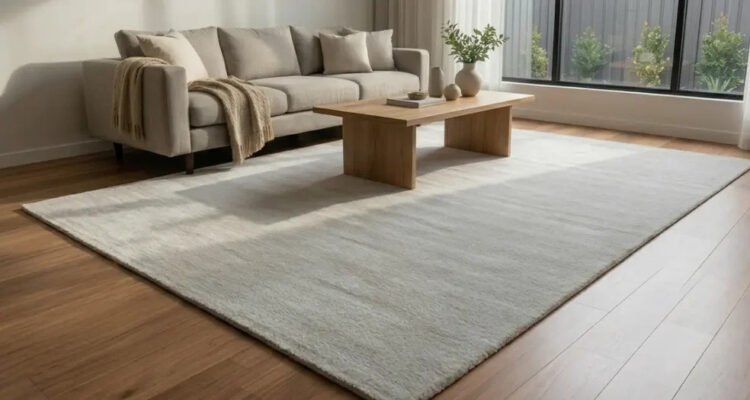
Handcrafted rugs are worth the investment because they are built to last, carry genuine artisanal value, and bring a warmth to your home that machine-made alternatives simply cannot replicate. If you’ve been on the fence about making the switch, this guide will walk you through everything you need to know before you buy.
There’s a real difference between a rug that’s been made by hand and one that’s rolled off a factory line. Handcrafted rugs are produced using traditional techniques that have been passed down through generations. Weavers work on a loom, knotting or weaving each row with deliberate care. The process is slow, methodical, and deeply skilled. A single rug can take weeks or even months to complete, depending on its size and complexity.
This level of attention shows in the finished product. The patterns are richer, the textures more varied, and the overall feel of the rug is more substantial underfoot. When you run your hand across a hand-knotted or hand-tufted piece, you’re feeling the result of someone’s labour and expertise, not just a programmed machine.
Most quality handcrafted rugs are made from natural fibres, and wool is by far the most popular choice. A wool woven rug naturally resists staining, regulates temperature, and holds dye beautifully, which is why wool has been the go-to material for rug makers across Central Asia, South Asia, and the Middle East for centuries. Wool fibres have a natural crimp that traps air, giving the rug both insulation and a soft, cushioned feel.
Other natural materials you’ll come across include silk, jute, and cotton. Each brings its own character. Silk adds a luminous sheen, jute brings an earthy, casual texture, and cotton is often used for flatweave styles. But for everyday use in an Australian home, wool remains the most practical and durable option.
One of the most reliable indicators of quality in handcrafted rugs is the knot count, measured per square inch. A higher knot count generally means finer detail and greater durability. Hand-knotted rugs with a high knot count can last well over a century if properly cared for. That’s not marketing fluff; it’s a well-documented reality backed by auction records and heirloom pieces still in use today.
When you’re examining a rug, flip it over. The back of a hand-knotted rug will show the same pattern as the front, with visible individual knots. A hand-tufted rug will have a canvas backing glued on. Neither is necessarily inferior, but knowing the difference helps you understand what you’re paying for and how to care for it.
Where a rug comes from often tells you a lot about its character. Persian rugs are renowned for intricate floral motifs and rich reds. Moroccan rugs tend toward bold geometric patterns and thick pile. Turkish kilims are flatwoven and celebrated for their graphic, tribal designs. A wool woven rug from Nepal or Tibet often features a distinctive loop-cut texture that gives it a sculptural depth unlike anything else.
For Australian homes, the earthy tones of Afghan and Moroccan-style rugs tend to complement the natural light and relaxed interiors many people gravitate toward here. That said, a classic Persian-style piece in deep burgundy or navy can anchor a room beautifully and add a layer of sophistication that’s hard to achieve with contemporary furnishings alone.
Proper care extends the life of any handcrafted rug significantly. Regular vacuuming is essential, but avoid running the vacuum over the fringe as it can cause damage over time. Rotate your rug every six to twelve months, so it wears evenly, particularly in high-traffic areas like hallways and living rooms. Using a quality rug pad underneath prevents slipping, reduces wear, and protects your flooring.
Act quickly when spills happen. Blot, don’t rub. Rubbing spreads the stain and can damage the fibres. For a wool woven rug, avoid harsh chemical cleaners entirely. Mild soap and cold water will handle most everyday spills without compromising the wool’s natural lanolin coating. For deep cleaning, it’s worth investing in a professional rug wash every two to three years, especially for fine or antique pieces.
Choosing a handcrafted rug isn’t just about filling a space on the floor. It’s about investing in something that adds genuine character to your home and holds its value over time. Take your time, ask questions, and buy from a trusted source. A good rug, properly cared for, will outlast trends and furniture alike.

