Which Spade Connectors Are Best for Secure Electrical Termination?

Which Spade Connectors Are Best for Secure Electrical Termination?

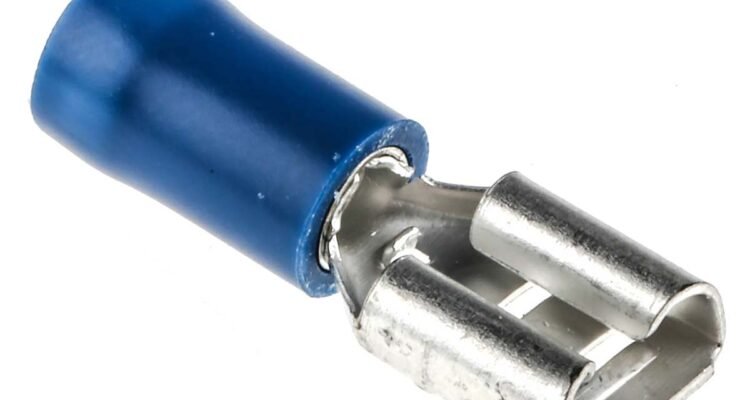
Spade Connectors are practical wire terminals designed to make electrical connections cleaner, safer, and easier to service. They are commonly used where a wire must connect to a screw, stud, switch, relay, or terminal block without creating a messy or unstable joint. Their open fork shape allows quick fitting under a screw head, while the crimp end grips the conductor and keeps the wire firmly in place.

In electrical work, small connection details can affect the performance of the entire circuit. A loose wire can cause heat, flickering power, signal interruption, or equipment failure. Spade Connectors help reduce these risks by giving each wire a controlled connection point that is easier to install, inspect, and remove when needed.

The Purpose of Spade Connectors in Electrical Systems

Spade Connectors are used to terminate wires in a way that improves both contact and convenience. Instead of wrapping bare wire around a screw, the wire is crimped into the connector barrel. The fork end then sits under the screw, creating a more consistent surface for clamping.

This design is useful in systems where neat wiring and easy maintenance matter. It keeps conductors organised, reduces exposed copper, and allows components to be replaced without shortening the wire every time service is required.

Why Terminal Shape Matters

The shape of a connector affects how securely it sits on the terminal. Spade Connectors have an open fork profile, which makes them different from ring terminals. A ring terminal requires the screw to be fully removed, while a spade terminal can slide into place after the screw is loosened.

This makes Spade Connectors useful when:

  • Access is limited inside an enclosure
  • Screws are small and easy to lose
  • Wires need regular disconnection
  • Components may be changed during servicing
  • Fast installation is important
  • Clean panel wiring is required

The fork shape balances holding strength with service convenience, which is why it remains popular in many wiring layouts.

Where Spade Connectors Perform Well

Spade Connectors are suitable for a wide range of low voltage and electrical control applications. Their value increases in places where wires need to be connected securely but may also need to be removed later.

Common application areas include:

  • Electrical control cabinets
  • Automotive dashboards and lighting circuits
  • Household appliance wiring
  • Relay and switch connections
  • Battery charger assemblies
  • HVAC control units
  • Audio and speaker wiring
  • Test equipment and repair benches
  • Small machinery and motor controls

Each application may require a different connector size, insulation type, material, or plating depending on the working conditions.

Types of Spade Connectors for Different Needs

Vinyl Insulated Spade Connectors

Vinyl insulated Spade Connectors are often used for general wiring tasks. They provide basic insulation around the crimp barrel and are simple to install. These are suitable for dry indoor areas, small devices, and many standard repair jobs.

Nylon Insulated Spade Connectors

Nylon insulated versions usually offer better durability than basic vinyl styles. They can handle tougher installation conditions and provide improved resistance to cracking. They are often used in panels, machinery, and professional wiring assemblies.

Heat Shrink Spade Connectors

Heat shrink Spade Connectors provide a sealed finish after heating. The sleeve tightens around the wire and helps protect the crimp area from moisture, dust, and vibration. These are useful in vehicles, outdoor equipment, marine systems, and repair work exposed to movement.

High Temperature Spade Connectors

High temperature versions are designed for hotter environments such as ovens, heaters, motors, and HVAC systems. Their insulation and metal construction are selected to handle increased heat without failing quickly.

How to Select the Correct Size

Size is one of the most important factors when choosing Spade Connectors. A connector that does not match the wire or screw can create a weak termination.

Before selecting a connector, check:

  • The wire gauge or conductor size
  • The stud or screw diameter
  • The required current rating
  • The width of the terminal space
  • The insulation colour and size range
  • The operating temperature
  • The surrounding environment
  • The need for vibration or moisture protection

The wire should fit into the barrel without being forced, and the fork should sit neatly around the screw. A poor fit can lead to movement, resistance, and overheating.

Installation Practices That Improve Reliability

A reliable connection depends on correct installation. Even a good connector can fail if it is crimped poorly or attached to the wrong terminal size.

Best practices include:

  • Strip the wire cleanly to the correct length
  • Avoid damaging conductor strands
  • Insert the wire fully into the barrel
  • Use a proper ratchet or terminal crimping tool
  • Match the crimp tool die to the connector size
  • Check the crimp with a gentle pull test
  • Tighten the screw enough to hold the fork securely
  • Avoid bending the connector during installation

The finished connection should look clean and feel firm. If the wire slips, the crimp is uneven, or the fork does not sit flat, the connector should be replaced.

How Spade Connectors Support Faster Troubleshooting

Troubleshooting becomes easier when wiring is organised and removable. Spade Connectors allow technicians to disconnect one wire from a component without cutting, stripping, or rebuilding the entire connection.

This is helpful when testing:

  • Switches
  • Relays
  • Sensors
  • Fuse holders
  • Motors
  • Lamps
  • Control modules
  • Power supply outputs

The connector can be removed, tested, and reconnected with minimal disruption. This saves time and helps keep the wiring harness or panel in better condition.

Signs of a Poor Spade Connector Connection

Electrical issues can appear when a connector is worn, damaged, or badly installed. Early inspection can help prevent larger faults.

Warning signs include:

  • Loose wire inside the crimp barrel
  • Dark marks near the terminal
  • Melted or cracked insulation
  • Corrosion on the metal surface
  • Fork end bent out of shape
  • Connector moving under the screw
  • Intermittent equipment operation
  • Warm terminal during normal use

Any damaged connector should be replaced rather than adjusted repeatedly. A new, correctly sized terminal is usually the safer solution.

Final Thoughts

Spade Connectors are a smart choice for wiring systems that need secure contact, easy servicing, and neat termination. Their fork shaped end allows quick connection to screw terminals, while the crimp barrel keeps the conductor controlled and stable.

For the best results, select Spade Connectors according to wire size, screw size, insulation type, current rating, temperature, and environment. When installed with the right tool and checked during maintenance, they help create safer, cleaner, and more dependable electrical connections.

leave your comment


Your email address will not be published. Required fields are marked *


news-1701

yakinjp

yakinjp

rtp yakinjp

yakinjp

yakinjp

yakin jp

yakinjp id

maujp

maujp

maujp

\

sabung ayam online

sabung ayam online

SLOT MAHJONG

sabung ayam online

article 0000141

article 0000142

article 0000143

article 0000144

article 0000145

article 0000146

article 0000147

article 0000148

article 0000149

article 0000150

article 0000151

article 0000152

article 0000153

article 0000154

article 0000155

article 0000156

article 0000157

article 0000158

article 0000159

article 0000160

article 0000161

article 0000162

article 0000163

article 0000164

article 0000165

article 0000166

article 0000167

article 0000168

article 0000169

article 0000170

article 0000171

article 0000172

article 0000173

article 0000174

article 0000175

article 0000176

article 0000177

article 0000178

article 0000179

article 0000180

article 0000181

article 0000182

article 0000183

article 0000184

article 0000185

article 0000186

article 0000187

article 0000188

article 0000189

article 0000190

article 00046

article 00047

article 00048

article 00049

article 00050

article 00051

article 00052

article 00053

article 00054

article 00055

article 00056

article 00057

article 00058

article 00059

article 00060

article 00061

article 00062

article 00063

article 00064

article 00065

article 00066

article 00067

article 00068

article 00069

article 00070

article 00071

article 00072

article 00073

article 00074

article 00075

article 00076

article 00077

article 00078

article 00079

article 00080

article 00081

article 00082

article 00083

article 00084

article 00085

article 00086

article 00087

article 00088

article 00089

article 00090

article 00091

article 00092

article 00093

article 00094

article 00095

article 888836

article 888837

article 888838

article 888839

article 888840

article 888841

article 888842

article 888843

article 888844

article 888845

article 888846

article 888847

article 888848

article 888849

article 888850

article 888851

article 888852

article 888853

article 888854

article 888855

article 888856

article 888857

article 888858

article 888859

article 888860

article 888861

article 888862

article 888863

article 888864

article 888865

articel 000000171

articel 000000172

articel 000000173

articel 000000174

articel 000000175

articel 000000176

articel 000000177

articel 000000178

articel 000000179

articel 000000180

articel 000000181

articel 000000182

articel 000000183

articel 000000184

articel 000000185

articel 000000186

articel 000000187

articel 000000188

articel 000000189

articel 000000190

articel 000000191

articel 000000192

articel 000000193

articel 000000194

articel 000000195

articel 000000196

articel 000000197

articel 000000198

articel 000000199

articel 000000200

articel 000000201

articel 000000202

articel 000000203

articel 000000204

articel 000000205

articel 000000206

articel 000000207

articel 000000208

articel 000000209

articel 000000210

articel 000000211

articel 000000212

articel 000000213

articel 000000214

articel 000000215

articel 000000216

articel 000000217

articel 000000218

articel 000000219

articel 000000220

article 2000136

article 2000137

article 2000138

article 2000139

article 2000140

article 2000141

article 2000142

article 2000143

article 2000144

article 2000145

article 2000146

article 2000147

article 2000148

article 2000149

article 2000150

article 2000151

article 2000152

article 2000153

article 2000154

article 2000155

article 2000156

article 2000157

article 2000158

article 2000159

article 2000160

article 2000161

article 2000162

article 2000163

article 2000164

article 2000165

article 2000166

article 2000167

article 2000168

article 2000169

article 2000170

article 2000171

article 2000172

article 2000173

article 2000174

article 2000175

article 2000176

article 2000177

article 2000178

article 2000179

article 2000180

article 2000181

article 2000182

article 2000183

article 2000184

article 2000185

article 838000421

article 838000422

article 838000423

article 838000424

article 838000425

article 838000426

article 838000427

article 838000428

article 838000429

article 838000430

article 838000431

article 838000432

article 838000433

article 838000434

article 838000435

article 838000436

article 838000437

article 838000438

article 838000439

article 838000440

article 838000441

article 838000442

article 838000443

article 838000444

article 838000445

article 838000446

article 838000447

article 838000448

article 838000449

article 838000450

article 838000451

article 838000452

article 838000453

article 838000454

article 838000455

article 838000456

article 838000457

article 838000458

article 838000459

article 838000460

news-1701