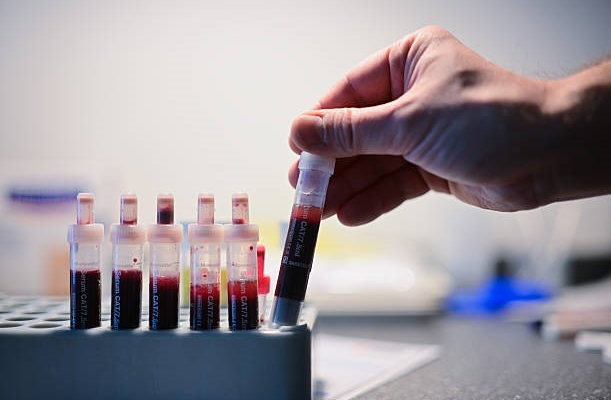
What Blood Drug Testing Disputes Reveal About Toxicology Evidence in Court

What Blood Drug Testing Disputes Reveal About Toxicology Evidence in Court

Blood test results can appear definitive, yet courtroom disputes often reveal how much interpretation lies behind the numbers. Questions about sample handling, testing methods, timing, contamination, and expert conclusions can all influence how evidence is understood. Cases involving blood drug testing show that toxicology findings are rarely as simple as a positive or negative result. For attorneys, judges, and juries, the challenge is separating reliable science from assumptions that may distort the facts.  

Examining these disputes offers valuable insight into how toxicology evidence is tested, challenged, and ultimately weighed when legal outcomes may depend on scientific accuracy in court proceedings. 

Key Takeaways   

  • Timing can change the meaning of a result. 
  • Chain-of-custody gaps may weaken confidence. 
  • Screening results require proper confirmation. 
  • Cutoff levels do not automatically prove impairment. 
  • Medical and postmortem context matters. 
  • Expert conclusions must remain scientifically supportable. 

What Courts Examine When Blood Drug Testing Results Are Disputed 

  • Collection Timing Can Affect Interpretation 

Drug concentrations change over time. If blood is collected hours after an incident, the blood drug testing result may not reflect the concentration at the time of the event. 

Estimating an earlier concentration may require assumptions about: 

  • Time of use 
  • Amount consumed 
  • Previous doses 
  • Absorption and elimination rates 
  • Food intake 
  • Medical treatment 

When this information is missing, precise conclusions may not be scientifically supportable. 

  • Chain Of Custody Must Be Complete 

Chain-of-custody records connect the tested sample to the correct person. Attorneys should review whether the specimen was properly labeled, sealed, transferred, stored, and documented. 

Important concerns include: 

  • Missing signatures 
  • Conflicting identification numbers 
  • Unexplained delays 
  • Broken seals 
  • Incorrect labels 
  • Unclear storage conditions 

A minor paperwork mistake may not invalidate a blood drug testing result, but a serious gap can weaken confidence in the evidence. 

  • Collection Errors Can Become Courtroom Challenges 

The reliability of blood drug testing begins long before the sample reaches the laboratory. During litigation, attorneys often examine whether proper collection procedures were followed because mistakes at this stage can raise questions about the credibility of the evidence. 

Key issues may include: 

  • Who collected the specimen  
  • Whether the correct collection tubes and preservatives were used  
  • Whether the sample volume was adequate  
  • Whether collection times were recorded accurately  
  • How the sample was stored and transported  
  • Whether medications were administered before collection  

In emergency situations, drugs given during medical treatment may influence toxicology findings. Reviewing medical records alongside laboratory records helps determine whether the reported result accurately reflects the circumstances of the case. 

  • Screening Results Require Confirmation 

Screening tests can indicate the presence of a drug class, but they are not always sufficiently specific for a final forensic conclusion. 

Attorneys should determine: 

  • Whether confirmation testing was completed 
  • Which analytical method was used 
  • Whether the correct drug or metabolite was identified 
  • Whether the applicable cutoff was used 
  • Whether interferences were considered 

A presumptive screening result should not be treated as equivalent to a confirmed laboratory finding. 

  • The Full Laboratory File Should Be Reviewed 

A final report may show only the detected substance and concentration. It may not reveal whether the laboratory followed reliable procedures. 

Important records include: 

  • Raw instrument data 
  • Calibration records 
  • Quality-control results 
  • Chromatograms or mass spectra 
  • Batch records 
  • Analyst notes 
  • Method validation records 
  • Standard operating procedures 
  • Instrument maintenance logs 

These records help determine whether the underlying analysis supports the reported blood drug testing result. 

  • Cutoff Levels Do Not Automatically Prove Impairment 

Laboratories use cutoff levels to decide whether a result is reported as positive or negative. These thresholds may be analytical, administrative, or regulatory. 

A cutoff does not necessarily establish the concentration at which a person becomes impaired. Attorneys should ask whether the threshold applies to the specific testing program and whether the result was close to that level. 

  • Measurement Uncertainty Can Affect the Result 

Laboratory measurements are not perfectly exact. Results may vary slightly because of calibration, instrumentation, preparation, and method performance. 

Measurement uncertainty becomes especially important when: 

  • The result is near a legal threshold 
  • Two tests produced different values 
  • The opinion depends on an exact concentration 
  • Small numerical differences are presented as significant 

Experts should not describe a result as more precise than the method allows. 

  • Metabolites Must Be Interpreted Correctly 

A laboratory may detect the original drug, a metabolite, or both. Some metabolites are active, while others indicate only that the drug was previously used. 

The presence of an inactive metabolite may support exposure without proving current effects. Attorneys should confirm exactly which compound was measured and what it can establish. 

A careful toxicological assessment should distinguish evidence of past exposure from evidence of current impairment. 

  • Prescription Drug Findings Often Become a Point of Dispute 

The presence of a prescription medication does not automatically establish impairment or inappropriate drug use. In court, both sides may interpret the same toxicology result differently depending on the facts of the case. 

To understand the significance of the finding, attorneys often review: 

  • The prescribed dosage  
  • The patient’s dosing schedule  
  • Pharmacy dispensing records  
  • Time of the last reported dose  
  • Other medications being taken  
  • Possible drug interactions  
  • Relevant medical conditions  
  • Witness observations and clinical findings  

Considering this information alongside the toxicology report helps distinguish lawful medication use from evidence that may support impairment or another legal issue. 

  • Postmortem Toxicology Frequently Requires Expert Interpretation 

Postmortem toxicology findings are often challenged because drug concentrations can change after death through processes such as postmortem redistribution. As a result, interpreting these results requires specialized forensic expertise rather than relying solely on the reported concentration. 

Experts typically evaluate: 

  • Where the blood sample was collected  
  • The time between death and collection  
  • The condition of the body  
  • The degree of decomposition  
  • Medical treatment before death  
  • Storage conditions and preservatives  
  • Other substances identified during testing  

In wrongful death, criminal, and forensic investigations, courts often rely on qualified experts to explain these scientific factors and whether the reported concentration accurately reflects drug levels before death. 

  • Courts Rarely Rely on Toxicology Evidence Alone 

Blood drug testing is only one part of the evidence presented in court. Judges and juries typically consider toxicology findings alongside the full factual record before determining whether a drug contributed to an incident. 

Other evidence may include: 

  • Witness testimony  
  • Surveillance or body camera footage  
  • Medical records  
  • Accident reconstruction findings  
  • Workplace safety records  
  • Equipment inspections  
  • Environmental conditions  
  • Fatigue, illness, or alcohol use  

In workplace litigation, an exposure analysis may also help determine whether hazardous chemicals, airborne contaminants, or unsafe working conditions contributed to the incident. When appropriate, risk assessment consulting can provide additional context by identifying workplace hazards and evaluating whether environmental factors played a role independent of the toxicology findings. 

Examining all available evidence together allows courts to evaluate causation more accurately rather than relying on a laboratory result in isolation. 

Conclusion 

Disputes involving blood drug testing demonstrate why courts look beyond a laboratory report when evaluating toxicology evidence. Collection procedures, chain of custody, confirmation testing, laboratory quality controls, medical history, and expert interpretation can all influence how a result is understood.  

Rather than treating a positive finding as conclusive proof, courts examine whether the scientific methods were reliable and whether the evidence supports the opinions being offered. Careful review of both the toxicology findings and the surrounding facts helps ensure legal decisions are based on sound science rather than assumptions. 

FAQs 

Can hemolysis affect a blood drug test? 

Yes. Hemolysis can interfere with some analytical methods and may affect how the sample is processed or interpreted. 

What is matrix effect in toxicology testing? 

Matrix effect occurs when substances naturally present in blood influence the measurement of the target drug during analysis. 

Can a laboratory report be corrected after release? 

Yes. Laboratories may issue amended reports when they identify clerical, analytical, or interpretive errors. 

Why are duplicate samples useful? 

Duplicate samples allow independent testing or confirmation if the original result is disputed. 

Can contamination occur during collection? 

Yes. Contamination may occur through improper handling, unsuitable equipment, or contact with external substances.

leave your comment


Your email address will not be published. Required fields are marked *


news-1701

yakinjp

yakinjp

rtp yakinjp

yakinjp

yakinjp

yakin jp

yakinjp id

maujp

maujp

maujp

\

sabung ayam online

sabung ayam online

SLOT MAHJONG

sabung ayam online

article 0000141

article 0000142

article 0000143

article 0000144

article 0000145

article 0000146

article 0000147

article 0000148

article 0000149

article 0000150

article 0000151

article 0000152

article 0000153

article 0000154

article 0000155

article 0000156

article 0000157

article 0000158

article 0000159

article 0000160

article 0000161

article 0000162

article 0000163

article 0000164

article 0000165

article 0000166

article 0000167

article 0000168

article 0000169

article 0000170

article 0000171

article 0000172

article 0000173

article 0000174

article 0000175

article 0000176

article 0000177

article 0000178

article 0000179

article 0000180

article 0000181

article 0000182

article 0000183

article 0000184

article 0000185

article 0000186

article 0000187

article 0000188

article 0000189

article 0000190

article 00046

article 00047

article 00048

article 00049

article 00050

article 00051

article 00052

article 00053

article 00054

article 00055

article 00056

article 00057

article 00058

article 00059

article 00060

article 00061

article 00062

article 00063

article 00064

article 00065

article 00066

article 00067

article 00068

article 00069

article 00070

article 00071

article 00072

article 00073

article 00074

article 00075

article 00076

article 00077

article 00078

article 00079

article 00080

article 00081

article 00082

article 00083

article 00084

article 00085

article 00086

article 00087

article 00088

article 00089

article 00090

article 00091

article 00092

article 00093

article 00094

article 00095

article 888836

article 888837

article 888838

article 888839

article 888840

article 888841

article 888842

article 888843

article 888844

article 888845

article 888846

article 888847

article 888848

article 888849

article 888850

article 888851

article 888852

article 888853

article 888854

article 888855

article 888856

article 888857

article 888858

article 888859

article 888860

article 888861

article 888862

article 888863

article 888864

article 888865

articel 000000171

articel 000000172

articel 000000173

articel 000000174

articel 000000175

articel 000000176

articel 000000177

articel 000000178

articel 000000179

articel 000000180

articel 000000181

articel 000000182

articel 000000183

articel 000000184

articel 000000185

articel 000000186

articel 000000187

articel 000000188

articel 000000189

articel 000000190

articel 000000191

articel 000000192

articel 000000193

articel 000000194

articel 000000195

articel 000000196

articel 000000197

articel 000000198

articel 000000199

articel 000000200

articel 000000201

articel 000000202

articel 000000203

articel 000000204

articel 000000205

articel 000000206

articel 000000207

articel 000000208

articel 000000209

articel 000000210

articel 000000211

articel 000000212

articel 000000213

articel 000000214

articel 000000215

articel 000000216

articel 000000217

articel 000000218

articel 000000219

articel 000000220

article 2000136

article 2000137

article 2000138

article 2000139

article 2000140

article 2000141

article 2000142

article 2000143

article 2000144

article 2000145

article 2000146

article 2000147

article 2000148

article 2000149

article 2000150

article 2000151

article 2000152

article 2000153

article 2000154

article 2000155

article 2000156

article 2000157

article 2000158

article 2000159

article 2000160

article 2000161

article 2000162

article 2000163

article 2000164

article 2000165

article 2000166

article 2000167

article 2000168

article 2000169

article 2000170

article 2000171

article 2000172

article 2000173

article 2000174

article 2000175

article 2000176

article 2000177

article 2000178

article 2000179

article 2000180

article 2000181

article 2000182

article 2000183

article 2000184

article 2000185

article 838000421

article 838000422

article 838000423

article 838000424

article 838000425

article 838000426

article 838000427

article 838000428

article 838000429

article 838000430

article 838000431

article 838000432

article 838000433

article 838000434

article 838000435

article 838000436

article 838000437

article 838000438

article 838000439

article 838000440

article 838000441

article 838000442

article 838000443

article 838000444

article 838000445

article 838000446

article 838000447

article 838000448

article 838000449

article 838000450

article 838000451

article 838000452

article 838000453

article 838000454

article 838000455

article 838000456

article 838000457

article 838000458

article 838000459

article 838000460

news-1701