Welcome To DWT Listing Theme
-
All Locations :

Welcome To DWT Listing Theme
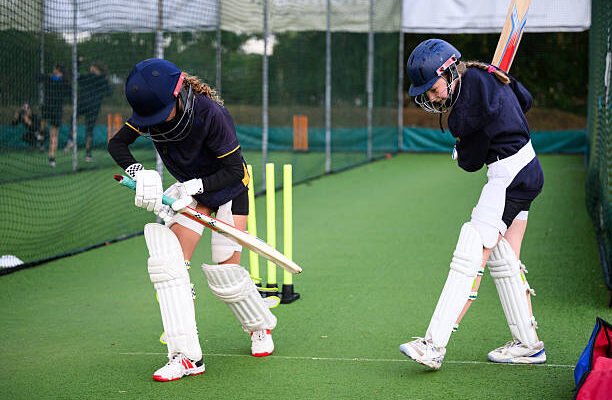
Softball bats play a major role in a player’s performance. Whether you are new to the sport or have years of experience, choosing the right bat can improve your confidence, swing speed, and overall game. While softball is not as widely played as cricket in the UK, the sport continues to grow through local clubs, schools, universities, and amateur leagues. Understanding how softball bats work helps players make informed decisions and get the most from their equipment. This guide explains the different types of softball bats, materials, sizes, regulations, and maintenance tips for players across the UK.
A softball bat is a specially designed piece of sporting equipment used to hit a softball during a game. Although it may look similar to a baseball bat, there are important differences in design, weight distribution, and performance characteristics. Modern softball bats are engineered to help players generate power while maintaining control during their swing. Different models are designed for different levels of play and player preferences.
The right bat can help improve hitting accuracy, increase distance, and provide better comfort during play. Using a bat that is too heavy or too long can negatively affect swing mechanics and timing. Players should focus on finding a bat that matches their strength, skill level, and playing style rather than simply choosing the longest or heaviest option available.
Fastpitch softball bats are designed for a quicker style of play where pitchers deliver the ball at higher speeds. These bats are generally lighter and allow players to react quickly at the plate. Fastpitch bats are commonly used in women’s softball leagues and competitive youth programmes.
Slowpitch softball bats are built for a different style of game. The ball is pitched with a higher arc, giving hitters more time to prepare their swing. These bats often feature larger sweet spots and are designed to maximise power and distance.
Bat construction also varies between single-wall and multi-wall designs. Single-wall bats use one layer of material and often provide greater durability. Multi-wall bats feature multiple layers that can improve performance by creating a trampoline-like effect when the ball makes contact. League regulations may determine which type of bat players can use during competition.
Aluminium remains one of the most popular materials in softball bat manufacturing. These bats are known for their durability, affordability, and consistent performance. Players often appreciate aluminium bats because they require little break-in time and deliver reliable results straight away.
Composite softball bats are made using advanced fibre materials. They are generally lighter and can offer a larger sweet spot. Many players enjoy the reduced vibration and improved feel that composite construction provides. However, composite bats often require a break-in period before reaching optimal performance.
Hybrid bats combine aluminium and composite materials. Manufacturers use this approach to balance durability, weight distribution, and performance. Hybrid designs can appeal to players who want benefits from both material types.
Bat length affects both reach and control. Longer bats provide greater coverage of the strike zone, while shorter bats often offer better handling. Most players find success when selecting a length that feels comfortable and allows a smooth swing without sacrificing control.
Weight is another important consideration. A lighter bat can improve swing speed, while a heavier bat may generate more power if the player can control it effectively. The ideal weight depends on age, strength, and hitting style.
The term “drop weight” refers to the difference between a bat’s length and weight. For example, a bat measuring 34 inches and weighing 24 ounces has a drop weight of minus 10. Understanding drop weight helps players choose equipment suited to their physical abilities and playing requirements.
The barrel is the part of the bat that makes contact with the ball. A larger barrel often provides a bigger sweet spot, making solid contact easier for many players. Different leagues may have restrictions on maximum barrel diameter.
A comfortable grip improves control and reduces hand fatigue during games and training sessions. Many softball bats feature specialised grip materials designed to absorb vibration and improve comfort.
Softball bats generally fall into two categories:
Balanced bats distribute weight evenly throughout the bat. They are easier to control and often preferred by contact hitters.
End-loaded bats concentrate more weight toward the barrel. This design can help generate greater hitting power but may require more strength to swing effectively.
Before purchasing a bat, players should always check the rules of their league or competition. Many organisations have specific standards regarding bat certifications, barrel dimensions, and construction materials. Using a non-approved bat may result in penalties or disqualification from competitive play.
Approved softball bats undergo testing to ensure they meet safety and performance requirements. Following official guidelines helps maintain fairness and player safety across all levels of the sport.
Store softball bats in a cool and dry environment. Excessive heat or cold can affect performance, particularly with composite models.
Avoid leaving bats inside vehicles for extended periods during extreme weather conditions.
Check your bat regularly for cracks, dents, or unusual wear. Early detection of damage helps prevent further deterioration and ensures safe use.
Simple cleaning with a soft cloth can remove dirt and debris after games. Keeping the bat clean helps maintain its appearance and extends its lifespan.
Many players focus solely on hitting distance. However, bat control and swing speed are equally important for consistent performance.
Purchasing a bat without checking competition rules can lead to unnecessary expense and disappointment.
A bat that feels too heavy can reduce swing speed and make it difficult to make solid contact. Selecting the correct weight often leads to better overall results.
Softball bats are more than just pieces of equipment. They influence swing mechanics, hitting performance, and player confidence. Understanding bat types, materials, sizing, and regulations allows players to make informed choices and improve their experience on the field. Whether you play recreationally or compete in organised leagues across the UK, selecting the right softball bat is an important step toward better performance. By focusing on comfort, control, and league compliance, players can find equipment that supports their development and enjoyment of the game.

