Welcome To DWT Listing Theme
-
All Locations :

Welcome To DWT Listing Theme
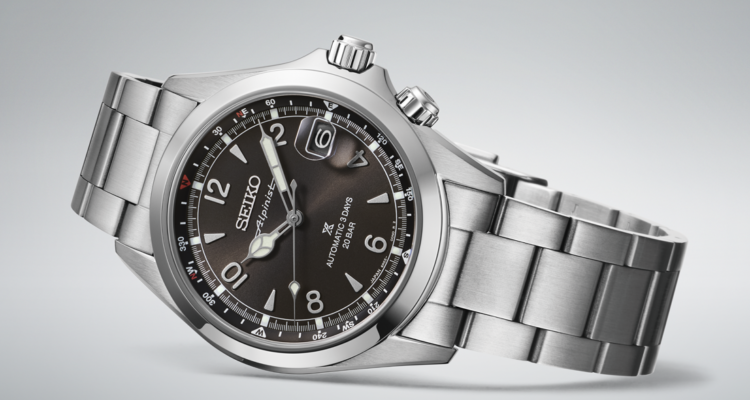
Among Seiko’s enormous catalogue, few categories combine everyday practicality with genuine wrist presence quite like the Seiko chronograph 100m. These watches pair a stopwatch complication with enough water resistance to handle swimming, watersports, and daily knocks, making them one of the most versatile options for anyone who wants a single watch capable of moving between the office, the gym, and the weekend. This article looks at what defines a Seiko chronograph 100m watch, the technology behind it, popular models, and what to consider before buying one.
Water resistance ratings often cause confusion, so it’s worth clarifying what 100 metres actually represents. A 100m water resistance rating does not mean the watch is rated for diving to that literal depth. Instead, it indicates the watch can handle swimming, snorkelling, showering, and general splashes without issue, though it isn’t intended for scuba diving or high-impact water sports like water skiing, which typically require a dedicated 200m+ diver’s rating with a screw-down crown and unidirectional bezel.
For the vast majority of buyers, 100m is more than sufficient. It offers genuine peace of mind for daily wear, including exposure to rain, hand-washing, and swimming, while keeping the watch’s case design slimmer and more versatile than a dedicated dive watch.
A chronograph is essentially a built-in stopwatch layered on top of normal timekeeping functions. Most Seiko chronograph 100m models use sub-dials to track elapsed seconds, minutes, and sometimes hours, activated by pushers on the case side. This complication has practical roots in motorsport and aviation, where precise interval timing was essential, but today it’s just as valued for its technical aesthetic and the satisfying tactile feel of starting, stopping, and resetting the pushers.
Seiko produces chronographs across several movement types:
Quartz chronographs are common in the sub-£300 range, offering excellent accuracy, low maintenance, and reliable performance. These are ideal for buyers who want precision timing without the cost or servicing demands of mechanical movements.
Solar chronographs, part of Seiko’s broader solar lineup, eliminate battery changes entirely by charging from any light source, a practical bonus for a watch likely to see daily wear and occasional water exposure.
Automatic mechanical chronographs sit at a higher price point and appeal to collectors who value traditional watchmaking. Seiko’s in-house chronograph movements, such as those found in select Prospex and Presage chronograph models, offer visible mechanical engineering along with the emotional appeal of a hand-wound or self-winding complication.
Several Seiko lines regularly appear with a 100m rating paired with a chronograph function:
Seiko Chronograph (SSB/SNDF series) watches are among the most popular entry-level options, known for bold dials, tachymeter bezels, and dependable quartz movements at accessible price points.
Seiko Prospex Speedtimer brings chronograph functionality into Seiko’s sports-focused Prospex family, often finished with motorsport-inspired dials and robust 100m-plus water resistance, appealing to buyers who want a tool-watch aesthetic with genuine chronograph utility.
Seiko Solar Chronograph models combine the 100m rating with solar charging, a favourite among buyers who want low-maintenance ownership without sacrificing the chronograph function.
Seiko 5 Sports Chronograph variants have also appeared in recent years, bringing Seiko’s popular automatic Seiko 5 line into chronograph territory while maintaining accessible pricing.
Beyond water resistance and movement type, a few features distinguish a well-specced Seiko chronograph 100m watch. A screw-down crown adds extra sealing security beyond the base water resistance rating, which is particularly valuable if the watch will see regular pool or beach use. Sapphire crystal, found on higher-tier models, resists scratches far better than the mineral crystal used on entry-level pieces, an important consideration for a watch likely to be worn actively.
Lume application on the hands and markers also varies significantly between models, with sportier chronographs typically offering brighter, longer-lasting luminescence for legibility in low light. A tachymeter bezel, commonly found on chronograph dials, allows the wearer to calculate speed over a known distance, a nod to the complication’s motorsport origins even if rarely used for that literal purpose today.
This category suits buyers who want one watch to handle nearly everything without needing a dedicated dive watch’s bulk or a dress watch’s fragility. It works equally well as a first “serious” watch, a gift, or an everyday piece for someone whose lifestyle includes gym sessions, swimming, outdoor activity, and office wear in the same week.
Because the price range spans from around £150 for quartz models to over £1,000 for mechanical chronographs with in-house movements, there’s a suitable option for nearly any budget, which is part of why this category remains consistently popular among both first-time buyers and experienced collectors adding a versatile daily piece to their rotation.
The Seiko chronograph 100m category represents a genuinely practical sweet spot in the brand’s lineup: enough water resistance for real life, a genuinely useful complication, and styling that ranges from understated to boldly sporty. For anyone looking for a single, dependable watch that won’t need babying around water or active use, this combination remains one of the smartest choices available from Seiko’s extensive range.

