Welcome To DWT Listing Theme
-
All Locations :

Welcome To DWT Listing Theme
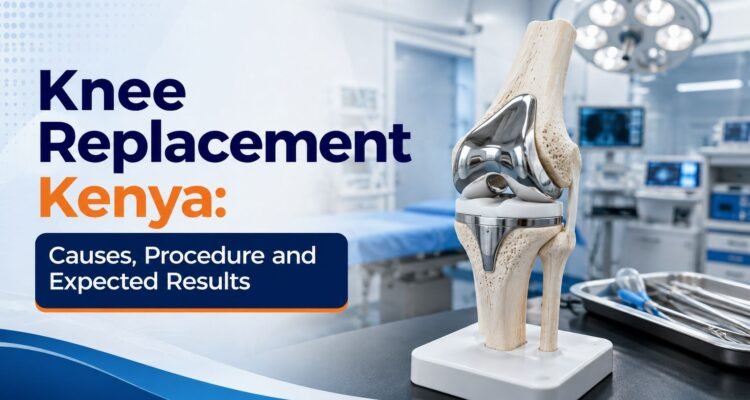
Persistent knee pain can make everyday activities such as walking, climbing stairs, standing, or exercising increasingly difficult. When medications, physiotherapy, lifestyle changes, and other conservative treatments no longer provide sufficient relief, knee replacement may become an effective treatment option. For patients experiencing advanced knee damage, knee replacement Kenya can help reduce pain, improve joint function, and support a more active lifestyle. Revive Orthopedic and Spine Centre provides orthopaedic care focused on evaluating knee conditions and helping patients understand appropriate treatment options.
Knee replacement is a surgical procedure used to replace damaged or severely worn parts of the knee joint with artificial components. The procedure is generally considered when significant joint damage causes persistent pain, stiffness, reduced mobility, and difficulty performing normal activities.
During surgery, damaged surfaces of the knee joint are carefully removed and replaced with specially designed implants. The aim is to restore smoother joint movement while reducing pain caused by damaged bone and cartilage.
Knee replacement does not always mean replacing the entire knee joint. Depending on the extent and location of damage, a surgeon may recommend total knee replacement or, in selected cases, partial knee replacement.
Several conditions can gradually damage the knee joint. Understanding the underlying cause can help patients seek treatment before symptoms significantly affect their quality of life.
Osteoarthritis is one of the most common reasons for knee replacement. It occurs when the protective cartilage covering the bones gradually wears away. As the condition progresses, bones can rub against each other, resulting in pain, swelling, stiffness, and reduced movement.
Rheumatoid arthritis is an inflammatory condition that can damage the lining and structures of the knee joint. Long-term inflammation may cause significant joint destruction and discomfort.
Severe injuries involving the bones, cartilage, ligaments, or other structures of the knee can increase the risk of developing joint degeneration later in life. Previous trauma may eventually contribute to chronic pain and reduced knee function.
The risk of knee degeneration generally increases with age. Although ageing alone does not automatically mean that someone needs surgery, progressive cartilage loss and joint damage can eventually lead to severe symptoms.
Certain deformities, previous surgeries, infections, or other joint disorders may also contribute to significant knee damage. A detailed assessment is necessary to determine whether replacement surgery is appropriate.
Knee replacement is generally considered when knee pain and stiffness significantly interfere with daily life and other treatments have not provided adequate relief.
Common signs that may indicate the need for an orthopaedic assessment include:
The decision to undergo surgery should be based on symptoms, physical examination findings, imaging results, overall health, and individual treatment goals.
The exact surgical approach varies according to the patient’s condition and the surgeon’s assessment. Before surgery, the knee is evaluated using a physical examination and appropriate imaging tests.
During a total knee replacement, the damaged surfaces of the thigh bone and shin bone are prepared and replaced with artificial components. A component may also be placed behind the kneecap when appropriate. The implant is designed to provide a smooth surface for movement.
The surgery is performed under appropriate anaesthesia, and the surgical team monitors the patient throughout the procedure. Following surgery, early movement and rehabilitation are important parts of recovery.
Recovery is a gradual process and varies from patient to patient. Physiotherapy commonly begins soon after surgery to help restore knee movement, strength, balance, and walking ability.
Patients may initially use walking support while the knee becomes stronger. As rehabilitation progresses, many patients gradually return to routine activities.
Following the recommended rehabilitation programme, taking prescribed medicines appropriately, attending follow-up appointments, and maintaining a healthy body weight can support recovery.
The primary goals of knee replacement are pain reduction, improved mobility, and better overall knee function. Many patients experience substantial improvement in their ability to perform everyday activities after completing rehabilitation.
Patients should understand that recovery does not happen immediately. Swelling, stiffness, and discomfort can occur during the early stages. Strength and mobility generally improve progressively with appropriate rehabilitation.
The long-term outcome can depend on several factors, including the severity of joint damage, overall health, activity level, implant selection, surgical technique, and commitment to rehabilitation.
Knee replacement is primarily intended to improve function and quality of life rather than enable unrestricted high-impact activities. Patients should discuss their individual activity goals with their orthopaedic specialist.
When appropriately recommended, knee replacement can provide several potential benefits, including:
The results vary between individuals, so realistic expectations and appropriate follow-up are important.
No. Knee replacement is generally considered when significant joint damage is present and non-surgical treatments have not provided adequate relief. An orthopaedic evaluation is needed to determine the most appropriate treatment.
Recovery varies from person to person. Many patients gradually improve over several weeks and months, with physiotherapy playing an important role in restoring strength and movement.
Walking is usually introduced early during recovery under professional guidance. Initially, patients may require walking support, followed by gradual improvement as strength and balance return.
Some pain and swelling are expected after surgery. Pain-management strategies and rehabilitation are used to help patients remain comfortable and gradually regain movement.
Implant longevity varies depending on factors such as activity level, weight, implant type, surgical technique, and overall health. Regular follow-up can help monitor the condition of the replacement joint.
Severe knee arthritis and other forms of joint damage can significantly affect mobility and independence. When conservative treatments are no longer effective, knee replacement may provide an opportunity to reduce pain and restore useful knee function. Understanding the causes, surgical process, recovery requirements, and expected results can help patients make informed decisions about treatment. For individuals considering knee replacement Kenya, Revive Orthopedic and Spine Centre can provide appropriate orthopaedic evaluation and guidance based on the patient’s condition, symptoms, and treatment goals.

