Welcome To DWT Listing Theme
-
All Locations :

Welcome To DWT Listing Theme
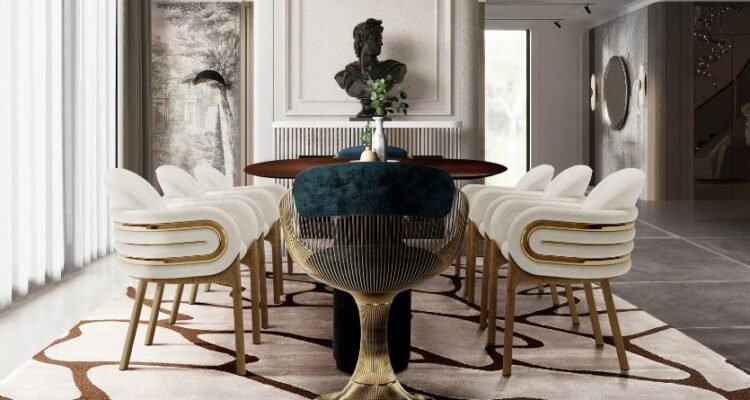
Choosing furniture for a dining room involves more than finding pieces that look attractive in a showroom. The table and seating need to fit the available space, support everyday activities, withstand regular use, and complement the home’s overall design. Modern dining room furniture offers a wide range of shapes, materials, finishes, and configurations, making it possible to create a highly personalized space. However, having so many choices can also make the selection process confusing without a clear strategy. By evaluating aesthetics, function, construction quality, comfort, and long-term durability together, homeowners can make furniture decisions that remain satisfying for years.
The first step is understanding how the dining room will actually be used. A household that enjoys large dinner parties may need an extendable table and flexible seating, while a smaller household may benefit from a compact round or square table. Some dining areas also serve as homework stations, home offices, or casual gathering spaces throughout the day. These activities influence the type of surface, seating, storage, and clearance required. Furniture should therefore be selected around real routines rather than an idealized image of how the room might occasionally be used.
Consider how many people regularly sit at the table and how many guests you typically host. Measure the room before shopping and account for doors, walkways, cabinets, windows, and other fixed elements. Chairs require additional space because they must be pulled away from the table when people sit down or stand up. A table that looks appropriately sized in a large showroom can feel oversized in a compact dining room. Taking accurate measurements early prevents expensive mistakes and helps establish realistic furniture dimensions.
The dining table is usually the visual and functional centerpiece of the room, so its size, shape, and construction deserve careful attention. Rectangular tables are practical for larger gatherings and elongated rooms, while round tables encourage conversation and can work well in smaller spaces. Oval tables provide some of the social advantages of a round design while offering additional seating along their length. Extendable models are particularly useful for households that need everyday flexibility. The best shape is ultimately the one that fits both the room and the way people use it.
Construction quality should be examined alongside appearance. Look closely at the joints, legs, tabletop, hardware, and overall stability before purchasing whenever possible. Solid wood, quality veneers, engineered surfaces, metal, stone, and other materials each have different strengths and maintenance requirements. A beautifully finished tabletop is less valuable if the frame is unstable or poorly constructed. Buyers should also ask about warranties, care instructions, replacement parts, and manufacturer specifications when these details are available.
A dining chair can look spectacular while being uncomfortable after only a short period of sitting. Because meals, conversations, celebrations, and work sessions can last for hours, comfort should be treated as a major purchasing factor rather than an afterthought. Check seat height, depth, back support, arm placement, and overall stability. If possible, sit in the chair for several minutes before buying it. Upholstered seating may provide additional comfort, while molded or wooden chairs can be easier to clean and maintain.
The relationship between chair and table dimensions is equally important. Chairs that are too tall can make the tabletop uncomfortable to use, while seats that are too low may create poor posture and an awkward dining experience. Armchairs also require additional clearance because their arms need to fit beneath or around the table. If mixing different chair styles, check that their seat heights are reasonably consistent. A coordinated combination does not require identical chairs, but the pieces should work together in terms of scale, comfort, and visual weight.
The finish of modern dining furniture influences both its appearance and its ability to handle daily use. Dining tables are exposed to food, drinks, heat, spills, scratches, and frequent cleaning, so the surface should be appropriate for the household. Wood can provide warmth and character, while laminate and engineered surfaces may offer practical resistance to everyday wear. Glass creates a lighter visual effect but may require more frequent cleaning to maintain a spotless appearance. Stone can provide substantial visual impact, although the exact care requirements depend on the specific material and finish.
Do not choose a finish based only on photographs or showroom lighting. Ask how the surface should be cleaned, which products should be avoided, and whether refinishing is possible if damage occurs. Households with children or pets may prioritize stain resistance and easy maintenance, while occasional entertainers may place greater emphasis on visual sophistication. Durability does not mean choosing the hardest material available; it means choosing a material that matches the demands placed on it. This practical approach can help furniture remain attractive without requiring excessive maintenance.
A modern dining room does not have to look like a showroom filled with perfectly matching furniture. In fact, combining complementary finishes and silhouettes often creates a more sophisticated and personal environment. Consider the colors and materials already present in flooring, cabinetry, walls, lighting, and nearby furniture before selecting a dining set. A warm wood table can soften a minimalist interior, while a metal or glass design can reinforce a more architectural aesthetic. The objective is to create visual relationships rather than force every item to match exactly.
Scale is particularly important when combining different pieces. A substantial dining table may require chairs with enough visual weight to feel balanced, while a delicate table can be overwhelmed by oversized seating. Lighting should also relate proportionally to the table without competing with it. If the room already contains strong architectural details or statement furnishings, a simpler dining set may provide better balance. Conversely, an understated room may benefit from a distinctive table or chair design that acts as a focal point.
Once the major furniture has been selected, accessories can help personalize the dining room without compromising functionality. Sculptural decorative objects can introduce artistic interest through unusual shapes, textures, materials, and silhouettes. A carefully chosen object placed on a sideboard, console, or open shelf can provide a focal point while complementing the geometry of the dining furniture. Ceramic forms, carved pieces, abstract objects, and metal sculptures can all work effectively when their scale is appropriate. The key is to use accessories selectively rather than filling every available surface.
Decorative objects should support the room’s overall composition rather than interfere with everyday activities. Avoid placing fragile or oversized items where they could obstruct serving, conversation, or movement around the table. Consider repeating a material or color from the furniture so the accessories feel connected to the wider design. Negative space is also important because leaving some surfaces intentionally open can make individual objects more noticeable. A restrained collection of meaningful pieces often creates a more refined impression than a large assortment of unrelated decorations.
Seating requirements can change significantly depending on household size and entertaining habits. A four-person household may need only four everyday chairs but occasionally require additional seating for celebrations or family gatherings. Extendable tables provide one solution, while lightweight additional chairs can offer another. Benches can also increase flexibility because they may accommodate several people and slide beneath the table when not needed. The best configuration depends on the room’s dimensions, storage options, and how frequently additional seating is required.
When planning capacity, avoid pushing the table to its maximum seating limit on a daily basis. People need enough personal space to eat comfortably, move their arms, and interact without feeling crowded. Manufacturers often provide recommended seating capacities, but actual comfort also depends on chair width and table leg placement. Tables with central pedestal bases can sometimes provide more flexibility than designs with corner legs. Thinking about seating from a practical perspective will make the dining area more enjoyable for both everyday meals and larger occasions.
Visual appearance is only one part of furniture quality. Examine the construction carefully and look for stable joints, even surfaces, smooth hardware, properly aligned components, and consistent finishing. Chairs should not wobble, rock, or produce unusual noises when weight is applied. Drawers and cabinet doors should open smoothly if storage furniture is included in the dining area. For expensive furniture, ask about the manufacturer’s reputation, warranty coverage, materials, production methods, and service policies.
It is also useful to consider how the furniture may age. Some natural materials develop attractive character over time, while others may require more careful maintenance to preserve their original appearance. Replacement upholstery, refinishing options, and availability of hardware can affect long-term ownership costs. Purchasing from a reputable retailer or established manufacturer can provide greater access to documentation and after-sales support. A thoughtful buying process helps ensure that the furniture is not only attractive on the first day but remains functional and presentable after years of use.
The best modern dining rooms combine strong design choices with practical planning. Instead of selecting furniture based solely on current trends, consider whether the table and chairs will continue to suit your lifestyle as household needs change. Timeless proportions, durable materials, comfortable seating, and adaptable configurations can make furniture useful for many years. Accessories can then be changed more easily when tastes evolve. This approach reduces the pressure to replace major furniture pieces whenever a decorating trend changes.
Ultimately, selecting modern dining room furniture is about finding the right relationship between beauty, usefulness, and durability. A successful dining room should feel visually cohesive while providing enough comfort and flexibility for everyday life. High-quality materials, appropriate proportions, thoughtful seating, and carefully selected sculptural decorative objects can create a space that feels both sophisticated and personal. By evaluating each purchase according to how it will perform as well as how it looks, homeowners can build a dining room that remains inviting, practical, and stylish for the long term.

