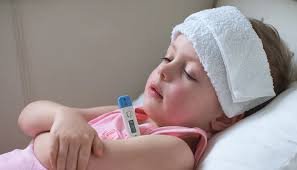
FEVER IN CHILDREN

FEVER IN CHILDREN

Fever in children is one of the most common reasons parents seek medical advice. While it can be worrying, fever itself is not a disease but a natural response of the body to fight infections. Understanding its causes, symptoms, and proper management can help parents care for their children with confidence and reduce unnecessary panic.

What is Fever?

Fever is defined as a temporary increase in body temperature, usually above 38°C (100.4°F). The normal body temperature of a child is around 37°C (98.6°F), although it can vary slightly depending on the time of day and activity level. Fever occurs when the body’s internal thermostat, located in the brain, raises the temperature to help fight off infections.

Causes of Fever in Children

Fever in children can be caused by a variety of conditions, most of which are not serious. The most common causes include:

  1. Viral Infections
    Viruses are the leading cause of fever in children. Common illnesses such as colds, flu, and viral throat infections often result in mild to moderate fever that usually resolves on its own within a few days.
  2. Bacterial Infections
    Some fevers are caused by bacterial infections such as ear infections, urinary tract infections, or pneumonia. These may require medical treatment, including antibiotics prescribed by a doctor.
  3. Vaccinations
    After receiving routine immunizations, children may develop a mild fever as the body builds immunity. This is usually temporary and not a cause for concern.
  4. Teething
    Although teething can cause a slight rise in temperature, it usually does not cause high fever. If the temperature is above 38°C, another cause should be considered.
  5. Environmental Factors
    Overdressing or exposure to hot weather can sometimes increase a child’s body temperature, especially in infants.

Symptoms Associated with Fever

In addition to a high temperature, children may show other signs such as:

  • Sweating and chills
  • Irritability or fussiness
  • Loss of appetite
  • Weakness or fatigue
  • Headache or body aches
  • Dehydration (dry lips, less urination)

Some children may also experience febrile seizures, especially between the ages of 6 months and 5 years. Although these can be frightening, they are usually harmless and short-lived.

How to Measure Temperature

Accurate temperature measurement is important in managing fever. Parents can use:

  • Digital thermometers (recommended)
  • Ear thermometers (for older children)
  • Forehead (temporal) thermometers

Rectal thermometers are often used for infants as they provide the most accurate readings, but they should be used carefully.

Home Management of Fever

Most fevers can be safely managed at home with simple care:

  1. Keep the Child Hydrated
    Offer plenty of fluids such as water, milk, or oral rehydration solutions to prevent dehydration.
  2. Dress Comfortably
    Avoid heavy clothing or blankets. Dress the child in light, breathable clothes.
  3. Ensure Rest
    Encourage the child to rest as much as possible to help the body recover.
  4. Use Fever-Reducing Medication
    Medications like Paracetamol or ibuprofen can help reduce fever and relieve discomfort. Always follow the correct dosage based on the child’s age and weight, and consult a doctor if unsure.
  5. Lukewarm Sponging
    Using a damp cloth with lukewarm water can help bring down the temperature. Avoid using cold water or ice baths, as they may cause shivering and worsen the fever.

When to see a doctor

While most fevers are harmless, certain situations require medical attention:

  • Fever in infants under 3 months
  • Temperature above 39°C (102°F)
  • Fever lasting more than 2–3 days
  • Difficulty breathing
  • Persistent vomiting or diarrhea
  • Rash or unusual skin color
  • Seizures or loss of consciousness
  • Severe headache or stiff neck

Parents should trust their instincts—if a child appears very ill or unusual, it is best to consult a healthcare professional.

Possible Complications

In most cases, fever does not lead to complications. However, untreated bacterial infections can become serious. Febrile seizures may occur in some children, but they usually do not cause long-term harm.

Dehydration is another concern, especially if the child is not drinking enough fluids. Monitoring fluid intake and urine output is important during illness.

Preventing Fever in Children

Although not all fevers can be prevented, certain measures can reduce the risk:

  • Ensure timely vaccinations
  • Encourage regular handwashing
  • Avoid close contact with sick individuals
  • Maintain a clean and hygienic environment
  • Provide a balanced diet to strengthen immunity

Myths and Misconceptions

Many parents believe that fever itself is dangerous, but this is not true. Fever is a protective mechanism that helps the body fight infection. Another common myth is that higher fever means a more serious illness. In reality, the severity of illness depends on the cause, not just the temperature.

It is also important not to overmedicate or wake a sleeping child just to give fever medicine. Rest is equally important for recovery.

Conclusion

Fever in children is a common and usually harmless condition that plays an important role in fighting infections. With proper care, hydration, and monitoring, most children recover quickly at home. However, parents should be aware of warning signs that require medical attention.

By understanding fever and how to manage it effectively, caregivers can ensure their child’s comfort and safety while avoiding unnecessary stress.


For more details visit: https://www.hubkomsolutions.com/about


leave your comment


Your email address will not be published. Required fields are marked *


content-1701

article 00036

article 00037

article 00038

article 00039

article 00040

article 00041

article 00042

article 00043

article 00044

article 00045

article 00046

article 00047

article 00048

article 00049

article 00050

article 00051

article 00052

article 00053

article 00054

article 00055

article 00056

article 00057

article 00058

article 00059

article 00060

article 00061

article 00062

article 00063

article 00064

article 00065

article 00066

article 00067

article 00068

article 00069

article 00070

article 00071

article 00072

article 00073

article 00074

article 00075

article 0000131

article 0000132

article 0000133

article 0000134

article 0000135

article 0000136

article 0000137

article 0000138

article 0000139

article 0000140

article 0000141

article 0000142

article 0000143

article 0000144

article 0000145

article 0000146

article 0000147

article 0000148

article 0000149

article 0000150

article 0000151

article 0000152

article 0000153

article 0000154

article 0000155

article 0000156

article 0000157

article 0000158

article 0000159

article 0000160

article 0000161

article 0000162

article 0000163

article 0000164

article 0000165

article 0000166

article 0000167

article 0000168

article 0000169

article 0000170

article 2000126

article 2000127

article 2000128

article 2000129

article 2000130

article 2000131

article 2000132

article 2000133

article 2000134

article 2000135

article 2000136

article 2000137

article 2000138

article 2000139

article 2000140

article 2000141

article 2000142

article 2000143

article 2000144

article 2000145

article 2000146

article 2000147

article 2000148

article 2000149

article 2000150

article 2000151

article 2000152

article 2000153

article 2000154

article 2000155

article 2000156

article 2000157

article 2000158

article 2000159

article 2000160

article 2000161

article 2000162

article 2000163

article 2000164

article 2000165

articel 000000161

articel 000000162

articel 000000163

articel 000000164

articel 000000165

articel 000000166

articel 000000167

articel 000000168

articel 000000169

articel 000000170

articel 000000171

articel 000000172

articel 000000173

articel 000000174

articel 000000175

articel 000000176

articel 000000177

articel 000000178

articel 000000179

articel 000000180

articel 000000181

articel 000000182

articel 000000183

articel 000000184

articel 000000185

articel 000000186

articel 000000187

articel 000000188

articel 000000189

articel 000000190

articel 000000191

articel 000000192

articel 000000193

articel 000000194

articel 000000195

articel 000000196

articel 000000197

articel 000000198

articel 000000199

articel 000000200

content-1701