Welcome To DWT Listing Theme
-
All Locations :

Welcome To DWT Listing Theme
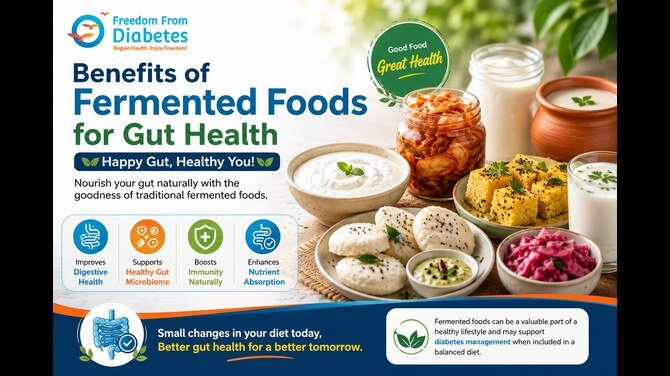
Fermented foods have been part of traditional diets for centuries. From homemade curd and idli batter to kimchi and sauerkraut, fermentation is a natural process that changes the flavor, texture, and nutritional properties of foods. Today, fermented foods are receiving renewed attention because of their possible connection with gut health and digestive wellness.
The digestive system contains trillions of microorganisms, including bacteria and other microbes, that play an important role in digestion, immunity, and metabolism. Including a variety of fermented foods in a balanced diet may help support this gut ecosystem.
Fermentation is a process in which microorganisms such as beneficial bacteria and yeasts break down components of food, often producing acids, gases, or other compounds.
Common fermented foods include:
The microorganisms and fermentation methods differ from one food to another, so their nutritional and probiotic properties can also vary.
A healthy gut depends on a diverse community of microorganisms. Fermented foods may contribute beneficial microorganisms and fermentation-derived compounds that interact with the gut microbiome.
Some fermented foods contain live cultures, although not every fermented product is necessarily a source of probiotics. Processing methods such as pasteurization can also remove live microorganisms.
Eating a variety of plant foods along with fermented foods can help create a more supportive environment for beneficial gut bacteria.
A diverse microbiome is associated with better digestive and metabolic health. Rather than relying on a single fermented food, including different varieties in the diet can provide greater dietary diversity.
Fermentation partially breaks down some carbohydrates and other food components. This can make certain foods easier to digest for some people.
For example, fermented batters used to prepare foods such as idli and dosa undergo changes during fermentation that affect their texture and digestibility.
However, individual tolerance varies, and fermented foods may not suit everyone.
Many fermented foods are eaten alongside fiber-rich ingredients. Fiber is important for healthy digestion and regular bowel movements because it provides nourishment for certain beneficial gut microorganisms.
For better digestive health, fermented foods should ideally be combined with vegetables, fruits, legumes, whole grains, nuts, and seeds.
The gut and immune system are closely connected. A large portion of the body’s immune activity is associated with the gastrointestinal tract.
Fermented foods may influence the gut microbiome and help support normal immune function. However, they should not be considered a treatment for infections or immune disorders.
Traditional fermentation can help preserve certain foods and extend their usability.
Before refrigeration became widely available, fermentation was an important method of preserving vegetables, dairy products, grains, and other foods.
This process can also produce organic acids and other compounds that influence the taste and shelf life of foods.
Fermentation is deeply connected with Indian food traditions. You don’t necessarily need to buy expensive imported products to add fermented foods to your meals.
Some familiar options include:
Plain curd containing live cultures can be a simple addition to meals. Choose unsweetened varieties and check the label if you specifically want live cultures.
Fermented rice-and-lentil batters are commonly used to prepare idli and dosa. Fermentation changes the batter’s texture and flavor and can make it easier to digest for some people.
Traditional dhokla batter can undergo fermentation before cooking, giving the food its characteristic soft texture and mildly tangy flavor.
Traditional Indian kanji is made by fermenting ingredients such as black carrots or other vegetables with water and spices.
The terms fermented foods and probiotics are often used interchangeably, but they are not exactly the same.
A probiotic is a specific live microorganism that has been studied and shown to provide a health benefit when consumed in an adequate amount.
A fermented food may contain live microorganisms, but it does not automatically qualify as a probiotic.
Therefore, it’s better not to assume that every fermented product provides the same benefits.
You can introduce fermented foods gradually into your regular meals.
Try:
Start with small portions and observe how your digestive system responds.
Fermented foods are not automatically healthy simply because they are fermented.
Some commercially available products can contain significant amounts of:
For example, fermented pickles may contain considerable amounts of sodium. Similarly, flavored yogurt can contain added sugar.
Reading ingredient labels and choosing minimally processed options can help.
People with specific digestive conditions, food intolerances, or weakened immunity may also need individualized dietary advice before consuming certain fermented foods.
Fermented foods can be a useful addition to a balanced diet and may support digestive health by interacting with the gut microbiome. Traditional options such as plain curd, idli, dosa, dhokla, and kanji make it easy to include fermented foods without changing familiar eating habits. For people focusing on diabetes management, choosing balanced fermented foods along with fiber- and protein-rich meals can be a helpful part of a healthy eating pattern.
The key is variety, moderation, food safety, and choosing minimally processed options. Fermented foods can also fit into a balanced diet for people with type 2 diabetes, especially when portion sizes and overall carbohydrate intake are considered. They work best as part of an overall diet that also provides plenty of fiber-rich vegetables, fruits, legumes, whole grains, nuts, and seeds.
Read more, visit our website.
https://www.freedomfromdiabetes.org/

