Welcome To DWT Listing Theme
-
All Locations :

Welcome To DWT Listing Theme
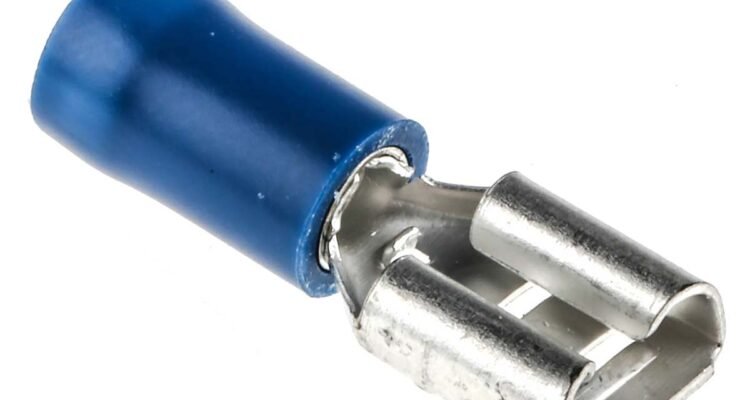
Spade Connectors are practical wire terminals designed to make electrical connections cleaner, safer, and easier to service. They are commonly used where a wire must connect to a screw, stud, switch, relay, or terminal block without creating a messy or unstable joint. Their open fork shape allows quick fitting under a screw head, while the crimp end grips the conductor and keeps the wire firmly in place.
In electrical work, small connection details can affect the performance of the entire circuit. A loose wire can cause heat, flickering power, signal interruption, or equipment failure. Spade Connectors help reduce these risks by giving each wire a controlled connection point that is easier to install, inspect, and remove when needed.
Spade Connectors are used to terminate wires in a way that improves both contact and convenience. Instead of wrapping bare wire around a screw, the wire is crimped into the connector barrel. The fork end then sits under the screw, creating a more consistent surface for clamping.
This design is useful in systems where neat wiring and easy maintenance matter. It keeps conductors organised, reduces exposed copper, and allows components to be replaced without shortening the wire every time service is required.
The shape of a connector affects how securely it sits on the terminal. Spade Connectors have an open fork profile, which makes them different from ring terminals. A ring terminal requires the screw to be fully removed, while a spade terminal can slide into place after the screw is loosened.
This makes Spade Connectors useful when:
The fork shape balances holding strength with service convenience, which is why it remains popular in many wiring layouts.
Spade Connectors are suitable for a wide range of low voltage and electrical control applications. Their value increases in places where wires need to be connected securely but may also need to be removed later.
Common application areas include:
Each application may require a different connector size, insulation type, material, or plating depending on the working conditions.
Vinyl insulated Spade Connectors are often used for general wiring tasks. They provide basic insulation around the crimp barrel and are simple to install. These are suitable for dry indoor areas, small devices, and many standard repair jobs.
Nylon insulated versions usually offer better durability than basic vinyl styles. They can handle tougher installation conditions and provide improved resistance to cracking. They are often used in panels, machinery, and professional wiring assemblies.
Heat shrink Spade Connectors provide a sealed finish after heating. The sleeve tightens around the wire and helps protect the crimp area from moisture, dust, and vibration. These are useful in vehicles, outdoor equipment, marine systems, and repair work exposed to movement.
High temperature versions are designed for hotter environments such as ovens, heaters, motors, and HVAC systems. Their insulation and metal construction are selected to handle increased heat without failing quickly.
Size is one of the most important factors when choosing Spade Connectors. A connector that does not match the wire or screw can create a weak termination.
Before selecting a connector, check:
The wire should fit into the barrel without being forced, and the fork should sit neatly around the screw. A poor fit can lead to movement, resistance, and overheating.
A reliable connection depends on correct installation. Even a good connector can fail if it is crimped poorly or attached to the wrong terminal size.
Best practices include:
The finished connection should look clean and feel firm. If the wire slips, the crimp is uneven, or the fork does not sit flat, the connector should be replaced.
Troubleshooting becomes easier when wiring is organised and removable. Spade Connectors allow technicians to disconnect one wire from a component without cutting, stripping, or rebuilding the entire connection.
This is helpful when testing:
The connector can be removed, tested, and reconnected with minimal disruption. This saves time and helps keep the wiring harness or panel in better condition.
Electrical issues can appear when a connector is worn, damaged, or badly installed. Early inspection can help prevent larger faults.
Warning signs include:
Any damaged connector should be replaced rather than adjusted repeatedly. A new, correctly sized terminal is usually the safer solution.
Spade Connectors are a smart choice for wiring systems that need secure contact, easy servicing, and neat termination. Their fork shaped end allows quick connection to screw terminals, while the crimp barrel keeps the conductor controlled and stable.
For the best results, select Spade Connectors according to wire size, screw size, insulation type, current rating, temperature, and environment. When installed with the right tool and checked during maintenance, they help create safer, cleaner, and more dependable electrical connections.

