Welcome To DWT Listing Theme
-
All Locations :

Welcome To DWT Listing Theme
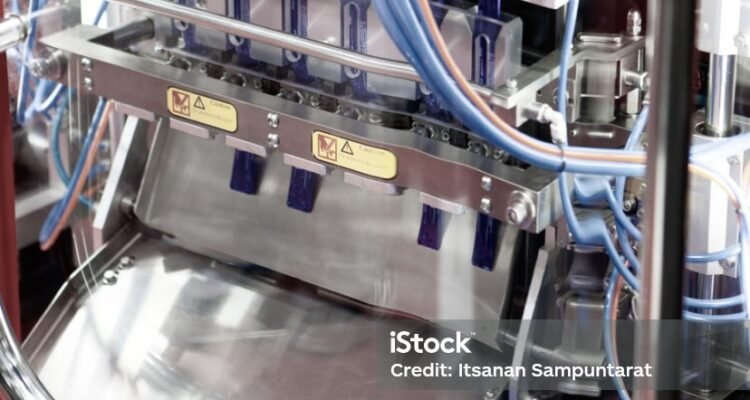
A super sack bag filler is an industrial machine designed to fill large bulk bags, also called FIBC bags or jumbo bags, with powders, granules, flakes, or pellets. These systems improve filling speed, reduce product waste, and increase packaging accuracy for industries handling high-volume materials.
Modern Super Sack filling equipment helps manufacturers save labor costs while maintaining clean and safe operations. Industries such as agriculture, chemicals, food processing, minerals, and construction rely on these machines for efficient bulk packaging.
Bulk packaging requires speed, precision, and safety. Manual filling creates dust, product loss, and inconsistent weights. A super sack bag filler solves these problems with automated controls and stable filling systems.
These machines are built for continuous industrial use. They can handle materials ranging from fine powders to heavy aggregates without damaging the bag or contaminating the product.
A super sack is a large flexible intermediate bulk container (FIBC). It stores and transports dry bulk materials safely and efficiently.
Most super sacks hold between 500 and 4000 pounds of material. They are commonly made from woven polypropylene fabric and include lifting loops for forklift handling.
| Material Type | Examples |
| Powders | Flour, cement, chemicals |
| Granules | Plastic pellets, fertilizer |
| Flakes | Salt, minerals |
| Aggregates | Sand, gravel |
| Food Products | Sugar, starch, grains |
The machine fills bulk bags through controlled material feeding systems. Operators place an empty FIBC bag onto the filling frame before starting the cycle.
The machine then secures the bag loops and inflates the bag for proper shaping. Material flows into the bag using gravity, augers, conveyors, or pneumatic systems depending on the product type.
This process reduces overfilling and maintains consistent packaging quality.
Advanced super sack fillers use automated weighing systems and programmable controls for accurate filling.
Modern systems can achieve highly consistent weight tolerances. This is important for industries where product accuracy affects shipping costs and compliance.
Load cells provide real-time weight monitoring during filling.
Dust containment protects workers and prevents product loss.
Machines can accommodate different FIBC bag sizes.
Compaction systems settle material evenly inside the bag.
PLC controls improve consistency and reduce operator errors.
The right system depends on material type, production volume, and facility layout.
Many businesses buy oversized systems they never fully use. Others select low-capacity machines that slow production after expansion. The best solution balances current needs with future growth.
| Question | Why It Matters |
| What material will be filled? | Different products require different feeding systems |
| What filling speed is needed? | Impacts production output |
| Is dust control required? | Important for powders and food products |
| What bag sizes will be used? | Determines frame compatibility |
| Is automation needed? | Reduces labor and improves consistency |
Dust is one of the biggest challenges in bulk packaging operations.
Fine particles create health hazards, housekeeping issues, and explosion risks in some industries. A properly designed super sack bag filler includes sealed filling heads and dust-extraction systems.
Food and chemical manufacturers especially benefit from enclosed filling environments. Cleaner operations also improve product quality and reduce cleanup costs.
Variation. Different applications require different filling technologies.
Best for free-flowing products like grains and pellets.
Designed for powders and difficult-flow materials.
Ideal for lightweight powders needing dust control.
Used for dense products requiring material settling.
Require some operator involvement but cost less initially.
Provide maximum production efficiency with minimal labor.
Experience. Production managers often focus only on machine speed during purchasing. However, long-term performance depends more on reliability and ease of maintenance.
In interviews with packaging operators, one recurring issue stood out. Facilities lose significant production time when filling heads clog or bag clamps wear prematurely.
Experienced plant supervisors recommend evaluating three overlooked areas:
One operations manager reported a 22% productivity increase after replacing a basic filler with a programmable bulk bag filling system featuring automatic weight correction.
Another packaging plant reduced material waste by nearly 15% after upgrading to enclosed dust-controlled filling equipment.
These operational improvements directly affect profitability over time.
Reliability. Preventive maintenance reduces costly downtime.
Routine inspections help maintain filling accuracy and machine performance.
Automation. Labor shortages and rising production demands continue driving automation investments.
Automated super sack bag fillers reduce operator fatigue and improve workplace safety. They also support higher throughput with fewer filling inconsistencies.
Manufacturers increasingly integrate these systems with conveyors, palletizers, and stretch wrappers for complete packaging automation.
A super sack bag filler is one of the most effective solutions for handling dry bulk materials safely and efficiently. Bagging machines improve production speed, packaging accuracy, and workplace cleanliness while lowering operational costs.
Businesses should focus on material compatibility, filling accuracy, dust control, and long-term reliability before investing. A properly selected system can improve productivity for years while supporting future production growth.
What is a Super Sack bag filler used for?
It fills large FIBC bulk bags with dry materials like powders, pellets, grains, and aggregates.
What industries use Super Sack filling machines?
Industries including agriculture, food processing, chemicals, construction, and plastics commonly use them.
How accurate are modern bulk bag fillers?
Most modern systems provide highly accurate filling using load cells and automated controls.
Can Super Sack fillers handle powder materials?
Yes. Auger and pneumatic filling systems are specifically designed for powders and dusty products.
What is the difference between semi-automatic and automatic fillers?
Semi-automatic systems require operator involvement, while automatic systems handle most filling functions independently.

