
Mole Removal in Dubai: Professional Treatment for Skin Concerns
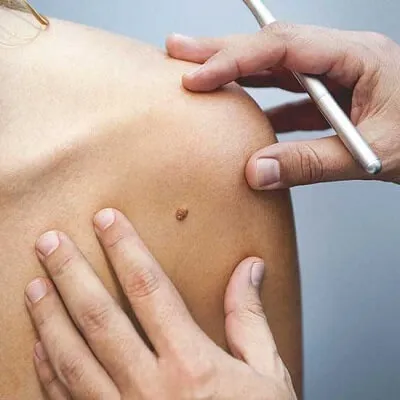
Moles are common skin growths that can appear on different parts of the body, including the face, neck, arms, and back. While many moles are harmless, some people choose to have them removed for cosmetic reasons or because a mole changes in appearance and requires professional assessment. With modern dermatological techniques, mole removal can be tailored to the individual’s skin type, the characteristics of the mole, and the desired outcome.
For individuals seeking Mole Removal in Dubai, choosing a professional dermatology clinic is an important step towards achieving smoother-looking skin and receiving appropriate care. At dermaone, patients can explore professional options for evaluating and removing unwanted moles with an approach focused on individual skin concerns and aesthetic goals.
What Is Mole Removal?
Mole removal is a dermatological procedure designed to remove unwanted or medically concerning moles from the skin. Moles, also known as melanocytic naevi, develop when pigment-producing cells called melanocytes cluster together. They can vary in size, colour, shape, and texture, and may be flat or raised.
Some people seek mole removal because a mole affects their confidence, particularly when it appears on a visible area such as the face. Others may require removal following a dermatologist’s assessment of a mole that has changed in size, shape, colour, or texture.
The appropriate treatment depends on the mole’s characteristics, location, depth, and clinical assessment. A dermatologist can determine whether removal is suitable and recommend a technique that addresses the concern while aiming to preserve the surrounding skin.
Why Consider Mole Removal in Dubai?
Dubai offers access to modern aesthetic and dermatological services for people who want to address various skin concerns. Professional mole removal provides an opportunity to receive an individual assessment and explore treatment options suited to specific skin needs.
Improving the Appearance of the Skin
Moles located on the face, neck, or other visible areas may be a cosmetic concern for some individuals. Removing a suitable mole may help create a more uniform-looking complexion and reduce the prominence of a particular skin feature.
Addressing Irritation and Discomfort
Moles in areas exposed to frequent friction from clothing, jewellery, or shaving may become irritated. A dermatologist can assess the area and determine whether removal is appropriate.
Evaluating Changes in Moles
Changes in a mole’s appearance should be assessed by a qualified healthcare professional. An evaluation helps determine whether the mole requires further investigation and whether removal is appropriate for medical reasons.
Receiving Personalised Dermatological Care
Every mole is different. Professional assessment allows the dermatologist to consider the mole’s appearance, location, and depth before recommending a suitable treatment approach.
Understanding the Different Types of Moles
Moles can differ considerably in appearance. Understanding their characteristics helps explain why a professional assessment is important before choosing a removal method.
Flat Moles
Flat moles generally appear as small, pigmented spots on the skin. They may be light brown, dark brown, or another shade. Their suitability for removal depends on their clinical characteristics and the reason for treatment.
Raised Moles
Raised moles extend above the skin’s surface and may have a smooth or slightly uneven texture. Depending on their depth and structure, a dermatologist may recommend a specific removal technique.
Congenital Moles
Congenital moles are present at birth or develop shortly afterwards. Their size, location, and appearance vary, so a professional assessment helps determine the most appropriate management approach.
Acquired Moles
Acquired moles develop during childhood, adolescence, or adulthood. Many are benign, but any noticeable change in an existing mole or the appearance of a new, unusual spot should be evaluated by a dermatologist.
What Are the Professional Methods for Mole Removal?
The most appropriate mole removal method depends on the type of mole, its depth, its location, and whether a tissue sample is needed for laboratory examination. A dermatologist evaluates these factors before recommending treatment.
Surgical Excision
Surgical excision involves removing the mole and, when clinically appropriate, a small amount of surrounding tissue. The area is usually treated with local anaesthesia, and stitches may be required depending on the size and depth of the removal.
This technique may be recommended when complete removal is needed or when the dermatologist wants to send the tissue for histopathological examination.
Shave Removal
Shave removal involves using a specialised surgical instrument to remove a suitable raised mole at or near the skin’s surface. The technique may be considered for selected lesions following professional assessment.
Whether shave removal is appropriate depends on the mole’s characteristics and the need for tissue examination.
Laser Treatment for Selected Pigmented Lesions
Certain laser treatments can address selected pigmented skin lesions. However, laser treatment is not suitable for every mole, particularly when a lesion requires a tissue sample for diagnosis.
A dermatologist should assess the lesion before recommending laser treatment. The priority is to establish the nature of the skin growth and select an appropriate method.
What to Expect During a Mole Removal Appointment
Understanding the treatment process can help patients feel more comfortable when considering mole removal. The exact steps vary according to the selected technique and the characteristics of the mole.
Step 1: Initial Skin Assessment
The appointment typically begins with an examination of the mole. The dermatologist considers its size, shape, colour, location, and history. If the mole has changed or appears unusual, further assessment may be recommended before cosmetic removal is considered.
Step 2: Choosing the Appropriate Technique
Following the assessment, the dermatologist explains the available options and recommends a method suited to the individual case. The discussion may include the expected cosmetic result, aftercare requirements, healing time, and whether laboratory examination is needed.
Step 3: Preparing the Treatment Area
The treatment area is cleaned, and local anaesthesia may be used depending on the procedure. The aim is to ensure that the selected technique can be performed appropriately and comfortably.
Step 4: Performing the Procedure
The dermatologist removes the mole using the chosen method. The duration depends on the size, location, and complexity of the treatment. Small, straightforward procedures may take only a short time.
Step 5: Receiving Aftercare Instructions
After treatment, patients receive guidance on keeping the area clean, caring for the wound, and monitoring the healing process. Following these instructions helps support proper healing and the best achievable cosmetic outcome.
Mole Removal in Dubai: Who May Be Suitable for Treatment?
Mole removal may be suitable for adults who want to address an unwanted mole for cosmetic or medical reasons. However, eligibility depends on the individual lesion and the patient’s skin health.
People who are concerned about a prominent facial mole, a raised mole that catches on clothing, or a lesion that has changed in appearance may benefit from a dermatological consultation.
A dermatologist should assess any mole that shows changes in size, shape, colour, or texture, or that develops persistent itching or bleeding. Such changes should not be treated as purely cosmetic concerns without appropriate evaluation.
The consultation also provides an opportunity to discuss expectations, the location of the mole, the potential appearance of the treated area, and the likely healing process.
Mole Removal Cost in Dubai: What Determines the Price?
The Moles Removal cost in Dubai can vary depending on several factors. Because each case is different, an individual assessment is the most reliable way to obtain an accurate treatment estimate.
Size and Type of Mole
The size, depth, and characteristics of a mole may influence the complexity of the procedure. A small, superficial lesion may require a different approach from a larger or deeper mole.
Number of Moles
The cost may depend on whether a patient wishes to remove one mole or several. Multiple treatment areas can affect the appointment time and overall treatment plan.
Removal Technique
Different procedures require different equipment, clinical expertise, and treatment steps. Surgical excision, shave removal, and other selected approaches may therefore have different prices.
Location of the Mole
Moles on the face or other delicate areas may require particular attention because of the location and cosmetic considerations. The dermatologist determines the most suitable method according to the area being treated.
Consultation and Laboratory Examination
The total cost may also depend on whether the treatment includes an initial consultation, additional assessment, or laboratory examination of the removed tissue.
For accurate pricing, patients should ask dermaone about the current consultation fees, available removal options, and the total estimated cost for their specific concern.
How to Prepare for Mole Removal
Preparing for a mole removal appointment begins with providing the dermatologist with relevant information about the skin concern.
Share Your Medical and Skin History
Inform the dermatologist about any existing medical conditions, allergies, previous skin procedures, and medications you take. This information helps the clinician determine the appropriate treatment plan.
Discuss Your Desired Outcome
If the mole is being removed for cosmetic reasons, explain what concerns you most about its appearance. Discussing your expectations helps the dermatologist explain what the procedure can realistically achieve.
Follow the Clinic’s Instructions
Follow any pre-treatment guidance provided by the clinic. Instructions may vary according to the removal method and the area being treated.
Aftercare Following Mole Removal
Proper aftercare is an important part of the healing process. The exact recommendations depend on the procedure, the location of the treated area, and whether stitches have been used.
Keep the Treated Area Clean
Follow the dermatologist’s instructions for cleaning the area and changing any dressing. Avoid unnecessary touching or friction while the skin heals.
Protect the Skin from Sun Exposure
Sun protection is especially important for exposed treatment areas. Follow the clinician’s advice about sun exposure and the appropriate use of sunscreen once suitable for the healing skin.
Avoid Picking at the Healing Area
Allow the treated skin to heal naturally. Picking at a scab or disturbing the wound may interfere with healing and affect the final appearance.
Attend Follow-Up Appointments
Follow-up appointments may be recommended to assess healing, remove stitches where applicable, or discuss laboratory results. Contact the clinic if you notice unexpected changes during recovery.
Will Mole Removal Leave a Scar?
The final appearance of the treated area depends on several factors, including the mole’s size and depth, the removal technique, its location, and the individual’s healing characteristics.
Some procedures may leave a small mark or scar, while the appearance of other treated areas may become less noticeable as healing progresses. No technique can guarantee completely scar-free removal.
A dermatologist can explain the likely cosmetic outcome before treatment and recommend appropriate aftercare to support healing. Patients should discuss any concerns about visible marks, particularly when considering treatment for facial moles.
Mole Removal for Facial Skin Concerns
Facial moles can be a particular concern because they are highly visible and may affect how a person feels about their appearance. Mole removal on the face requires careful consideration of the lesion’s characteristics, its position, and the desired cosmetic result.
During the consultation, the dermatologist assesses whether removal is appropriate and discusses the technique most suitable for the area. Patients can also ask about expected healing, scar appearance, and measures to support a good cosmetic outcome.
Professional assessment is especially important for facial lesions that have changed or appear unusual, as establishing their nature should take priority over cosmetic treatment.
Why Choose Professional Mole Removal at dermaone?
Choosing a professional dermatology provider allows patients to have their skin concerns assessed before proceeding with treatment. The right approach should be based on the characteristics of the mole rather than on cosmetic preferences alone.
At dermaone, patients can enquire about available options for mole and skin tag removal and discuss their individual concerns with the clinic.
A professional consultation can help clarify whether a mole is suitable for removal, which technique may be appropriate, what the procedure involves, and what kind of result can reasonably be expected.
Frequently Asked Questions About Mole Removal in Dubai
Is mole removal a quick procedure?
Many straightforward mole removal procedures can be completed within a relatively short appointment. The time required depends on the mole’s size, location, and the technique selected.
Can facial moles be removed?
Yes, selected facial moles may be suitable for removal following professional assessment. The dermatologist considers the mole’s characteristics and the cosmetic implications of treating that particular area.
How much does mole removal cost in Dubai?
The price depends on the size and number of moles, the removal technique, the treatment location, and any additional assessment required. Contact dermaone for current pricing and an individual estimate.
How long does the skin take to heal after mole removal?
Healing time varies according to the technique, the depth of removal, and the location of the mole. Superficial wounds may heal relatively quickly, while deeper procedures may require several weeks for the area to settle.
Can all moles be removed with a laser?
No. Laser treatment is not appropriate for every mole. A dermatologist should first assess the lesion and determine whether it requires surgical removal or laboratory examination.
Will the mole grow back after removal?
Some moles may recur if pigment-producing cells remain in the skin. The likelihood depends on the type of mole and the removal technique. If a mole reappears, it should be assessed by a dermatologist.
Is a consultation necessary before mole removal?
Yes, a professional assessment helps establish the nature of the mole and determine the most appropriate treatment. This is particularly important if the mole has changed in appearance or has other unusual features.
Book a Mole Removal Consultation in Dubai
Unwanted moles can be a cosmetic concern, but choosing the right treatment starts with understanding the skin and the characteristics of the lesion. A professional dermatological assessment helps determine whether removal is appropriate and which technique best suits the individual case.
Whether you are concerned about a raised mole, a visible facial mole, or a skin growth that has changed over time, seeking professional guidance is an important first step.
Explore the available services at dermaone through the Moles Removal in Dubai page and enquire about consultation options and the Moles Removal cost in Dubai to make an informed decision about your skin care needs.