
How Digital Printing and Screen Printing Shape Modern Business Signage in 2026
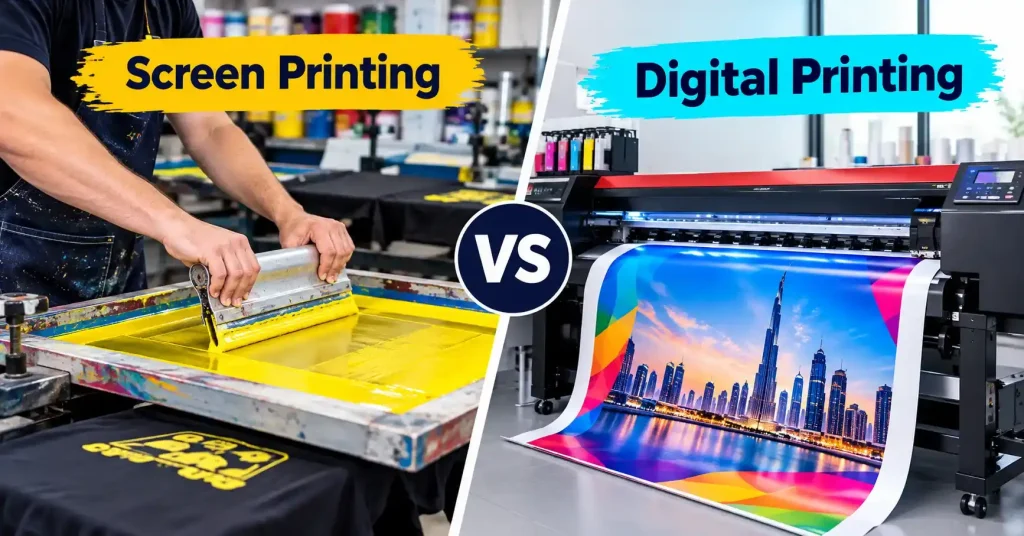
Business signage has become an important part of how companies attract customers and build brand recognition. From shopfront displays to promotional banners, printed graphics help businesses communicate their identity in busy commercial environments. Understanding Digital Printing vs Screen Printing allows business owners to select a printing method that matches their advertising goals, budget and design requirements. Both technologies offer useful advantages, but their production processes and applications are different. Digital printing supports detailed artwork and customised graphics, whereas screen printing is particularly effective for repeated designs and solid colours. Choosing the right technique can improve the appearance, consistency and effectiveness of business signage.
The Growing Role of Printing Technology in Business Branding
Modern businesses need attractive visual communication to stand out from competitors. A well designed sign can introduce a company, highlight its services and help customers recognise its location.
How Digital Printing Supports Modern Branding
Digital printing has changed the way businesses produce advertising materials. Designs can be transferred directly from digital artwork to suitable printing surfaces without preparing individual screens.
This flexibility makes it easier to create colourful graphics, photographs, detailed logos and promotional messages. Businesses can also update their artwork whenever a new campaign or branding requirement arises.
Digital large format printing is particularly useful for shop displays, exhibition graphics, advertising banners and vehicle branding. It allows businesses to maintain a consistent visual identity across different marketing materials.
Why Traditional Screen Printing Remains Relevant
Screen printing continues to be a useful production method for businesses that need repeated designs. It transfers ink through a prepared mesh screen onto the selected material.
Each colour generally requires a separate screen, making preparation more involved for complicated artwork. However, the method can produce strong, consistent colours and is suitable for certain high quantity projects.
Digital Printing vs Screen Printing: Understanding Production Methods
Although both techniques produce printed graphics, the equipment, preparation and printing processes are different.
Digital Printing Process
Digital printing starts with a computer based design file. The artwork is processed by a compatible printer, which applies ink directly onto the selected surface.
The process offers several practical advantages:
- Faster preparation for smaller projects.
- Flexible artwork and design adjustments.
- Detailed photographs and colourful graphics.
- Easier production of different design versions.
- Suitable options for customised advertising materials.
These features make digital printing a convenient solution for businesses that frequently change promotional campaigns.
Screen Printing Process
Screen printing involves preparing a mesh screen with a stencil representing the design. Ink is pushed through the open sections of the mesh onto the material.
The process is particularly suitable for designs with solid colours and repeated artwork. Once the screens are prepared, businesses can produce multiple identical prints efficiently.
The choice between these techniques depends on the design, material and production quantity.
How Different Businesses Use Printing for Advertising
Printing requirements vary between industries. A retail shop may need colourful window graphics, while a construction company may require clear safety signs and outdoor advertising boards.
Retail Shops and Shopping Centres
Retail businesses regularly use printed graphics to promote discounts, new products and seasonal offers. Digital printing allows shop owners to create attractive displays with product photographs, brand colours and promotional messages.
Window graphics and indoor advertising panels can also be updated without changing the entire signage arrangement.
Restaurants and Cafes
Restaurants use printed materials for menu boards, promotional displays, wall graphics and storefront branding.
Digital printing can reproduce food photographs and detailed promotional designs, helping businesses present their products attractively.
Screen printing may also be appropriate for selected repeated graphics and simple branding applications.
Construction and Commercial Projects
Construction businesses require clear signs that communicate project information, directions and safety instructions.
Printed boards, site graphics and safety signage help visitors and workers identify important information. The selected printing method should suit the material, viewing distance and environmental conditions.
Important Factors That Influence Printing Quality
Selecting a printing method is only one part of achieving professional results. Several other factors influence the final appearance and performance of printed signage.
Print Resolution and Colour Accuracy
High resolution artwork helps produce sharp text, clear photographs and professional graphics. Poor quality source images can result in blurry or unattractive prints.
Businesses should provide suitable artwork files and confirm that their brand colours are reproduced accurately.
Material Selection
The printing surface plays an important role in the final result. Common materials include vinyl, PVC sheets, acrylic, fabric and selected rigid boards.
For example, vinyl is commonly used for banners and window graphics, while rigid boards can support certain advertising and display applications.
Finishing and Installation
Finishing options can improve the appearance and usability of printed materials. Depending on the application, businesses may require lamination, protective coatings, trimming or professional installation.
Outdoor graphics should use suitable materials and finishes to withstand exposure to sunlight, dust and moisture.
Choosing Professional Large Format Printing Services in Dubai
Businesses operating in competitive markets need signage that communicates their message clearly. Professional large format printing services help companies produce advertising graphics for different commercial environments.
When comparing Digital Printing vs Screen Printing, consider the following questions:
- Does the artwork contain photographs or complex colour combinations?
- Are you producing a small or large quantity?
- Will the graphics be displayed indoors or outdoors?
- Which material is appropriate for the application?
- How frequently will the design need updating?
For businesses seeking large format digital printing Dubai solutions, print quality, equipment capability and material compatibility should all be considered before placing an order.
A professional printing provider can evaluate these requirements and recommend an appropriate production technique. This helps businesses avoid unnecessary expenses while maintaining attractive and consistent branding across their advertising materials.
Frequently Asked Questions
1. Why is digital printing popular for modern business signage?
Digital printing offers flexible artwork production, detailed graphics and colourful designs. Businesses can produce customised banners, promotional displays and shop graphics without preparing individual printing screens. It is particularly useful for smaller orders and marketing campaigns that require frequent design updates.
2. Can screen printing produce professional advertising graphics?
Yes, screen printing can produce professional graphics with strong and consistent colours. It is particularly useful for repeated designs, solid colour artwork and selected promotional applications. The final quality depends on screen preparation, ink selection and the material being printed.
3. Which printing method is suitable for customised signage?
Digital printing is generally suitable for customised signage because designs can be changed easily. Businesses can print different logos, photographs and promotional messages without preparing new screens. It is a practical option for personalised advertising and smaller production quantities.
4. What affects the cost of large format digital printing?
Printing costs depend on material selection, artwork size, ink requirements, finishing options and order quantity. Installation and protective treatments can also influence the final quotation. Businesses should compare complete project costs rather than considering the printing price alone.
5. Is digital printing suitable for outdoor business advertising?
Yes, digital printing can be used for outdoor advertising when appropriate materials, inks and protective finishes are selected. Vinyl banners, outdoor promotional graphics and advertising panels are common applications. Proper installation and suitable material selection help maintain their appearance.
Conclusion
Digital and screen printing both have an important place in modern business advertising. Digital technology offers flexibility, detailed graphics and customised production, while screen printing remains valuable for repeated designs and larger quantities. Understanding Digital Printing vs Screen Printing helps businesses make informed decisions about signage quality, production costs and branding requirements.
Whether you need promotional banners, shop graphics, vehicle branding or large format advertising, choosing the right printing solution can strengthen your business visibility. Start Your Project with Ajwaa Sign and explore professional signage and printing solutions designed to give your business a strong and memorable visual identity.