Welcome To DWT Listing Theme
-
All Locations :

Welcome To DWT Listing Theme
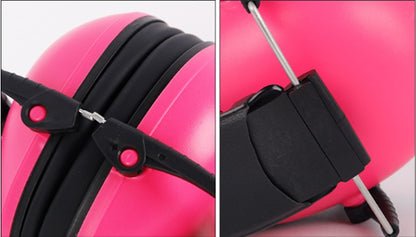
If you’re a parent, you probably already know how carefully you think about your baby’s comfort. You check everything: soft clothes, safe car seats, the stroller, even the little details like how tight a strap feels. But there’s one thing most people don’t think about until they actually face it: loud noise. It might be a wedding, a family gathering, a trip on an airplane, or even fireworks in your neighborhood. Adults usually adjust to it without much problem. But babies don’t. Their ears are still developing, and what feels “normal” to us can feel really intense to them. Sometimes it makes them cry, sometimes they get restless, and sometimes they just can’t settle down. That’s where baby earmuffs come in. They don’t block the world completely. They just make things quieter and more comfortable for your little one. But here’s the thing not all earmuffs are the same. Some are great, some are just average, and some honestly don’t help much at all. So before buying them, it’s worth understanding what actually matters.
Let’s go through it in a simple way.
What Baby Earmuffs Actually Do
It looks like small headphones, but they’re not for music or anything like that. There’s no sound coming out of them. They simply sit over your baby’s ears and reduce loud noise from the environment. Not everything becomes silent. That’s not the goal. The idea is to take the “sharpness” out of loud sounds so your baby doesn’t feel overwhelmed. Think of it like turning down the volume in a noisy room.
Parents usually use them in situations like:
In short, anytime things get too loud for comfort.
Noise Reduction (NRR) – The Most Important Thing
This is the first thing you’ll usually see on packaging: NRR.
NRR simply means how much noise the earmuffs can reduce. You don’t need to overthink it.
Higher number = more noise reduction. But here’s what really matters in real life. If you’re at a wedding and the music is loud, or you’re sitting in an airport where announcements keep coming, a good NRR helps soften all that noise so your baby isn’t constantly reacting to every sound.
It doesn’t make things silent, it just makes them easier to handle .If a product doesn’t clearly mention its noise reduction level, that’s usually not a good sign.
Honestly, this is the feature that decides whether earmuffs are actually useful or just “for show.”
Comfort If It’s Not Comfortable, It Won’t Work
This one is simple: if your baby doesn’t like wearing it, nothing else matters. Babies don’t “adjust” to discomfort. They just remove it or start crying.
So comfort is everything.
Good earmuffs usually feel:
The ear cushions should feel like soft padding, not hard plastic pressing on the skin. And the headband should hold the earmuffs in place without squeezing too much. A lot of parents make the mistake of choosing based only on looks. But in reality, even the best-looking product is useless if your baby refuses to wear it after 2 minutes.
Comfort decides everything.
Fit Small Detail, Big Difference
Fit is something people often ignore, but it actually matters a lot. If the earmuffs are loose, sound will still come in from the sides. If they are too tight, your baby will feel irritated very quickly.
The right fit feels “just right ”not pressing, not sliding.
A good way to check is:
Babies grow fast too, so adjustable headbands are a big plus. What fits today might not fit a few months later. A proper fit is what turns earmuffs from “okay” into “actually effective.”
Safe Materials – Because It Touches Your Baby’s Skin
This is something parents should never ignore. Baby earmuffs sit directly on your baby’s head and ears, so the material really matters. You want something that feels soft and safe, not rough or cheap.
Good earmuffs usually use:
Some babies have very sensitive skin, so even small things like rough edges or low-quality foam can cause irritation. Also, babies don’t treat things gently (obviously). So durability matters too. A well-made product will survive being dropped, thrown in a bag, or used often. Cheap ones usually don’t last long and end up costing more in the long run.
This is the feature people only appreciate after they start using them. Parents are always carrying a lot diaper bags, bottles, clothes, toys. So if something is bulky or difficult to store, it quickly becomes annoying.
Good earmuffs are:
Cleaning also matters more than people expect. Babies sweat, touch everything, and products get dirty fast. If earmuffs are easy to wipe clean, life becomes much easier. Some designs even allow cushion cleaning or quick wiping, which is perfect for daily use.
When Should You Actually Use Baby Earmuffs?
You don’t need them all the time.
They are useful only in loud situations like:
If the environment is normal and quiet, your baby doesn’t need them. Think of them as something you use when things get loud, not something your baby wears every day.
Final Thoughts
Baby earmuffs are simple, but choosing the right pair makes a real difference.
If you focus on these five things:
You will end up with something that actually helps your baby feel calm in noisy situations .At the end of the day, it’s not about buying the fanciest product. It’s about choosing something your baby can comfortably wear when it really matters.

