Welcome To DWT Listing Theme
-
All Locations :

Welcome To DWT Listing Theme
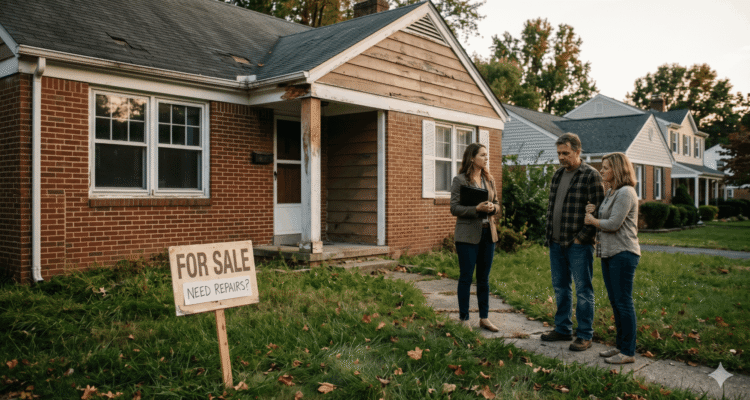
The notice may be taped to the front door before the owner fully understands what happened.
One page. A few official words. Unsafe. Substandard. Unfit for occupancy. Suddenly, the house is no longer just a property with problems. It becomes a deadline, a risk, a financial burden, and a decision that cannot be pushed aside forever.
For motivated sellers, the question becomes urgent: can someone sell an uninhabitable house without fixing everything first?
Yes, in many cases, a sale may still be possible. The path simply needs more care, better records, and a buyer who understands serious property conditions.
An unsafe or uninhabitable label usually means a local authority believes the property has conditions that may affect health, safety, or lawful occupancy. This may involve structural failure, fire damage, sewage issues, electrical hazards, severe water damage, mold, missing utilities, dangerous stairs, or long-neglected repairs.
California Health and Safety Code Section 17920.3 lists many conditions that can make a building substandard, including sanitation problems, structural hazards, inadequate weather protection, faulty plumbing, hazardous electrical wiring, and unsafe maintenance conditions.
That kind of language can sound intimidating. But it also gives the seller a place to begin. The notice is not just a warning. It is a map of what the city or county believes must be addressed.
A property owner can often sell an unsafe or uninhabitable property, but the sale usually needs honest disclosure, careful pricing, and a buyer who is comfortable taking on repairs, code issues, or renovation work.
The seller does not always have to restore the home before selling. However, known safety issues should not be hidden. A buyer needs to understand what they are purchasing, and the seller needs to protect the transaction from confusion later.
Some owners repair the property first. Others cannot. The cost may be too high, the damage too broad, or the timeline too tight. In those cases, a direct as-is sale may make more sense.
The first move is not demolition, repair, or panic. It is an organization.
A seller should read every page of the notice and identify:
If the notice came from building safety, code enforcement, health, fire, or housing officials, the seller should keep the document in a safe place. Copies, photos, inspection reports, violation letters, and repair estimates may all matter during a sale.
California’s Department of Public Health provides a county and city enforcement contact database for California Housing Code concerns in rental properties with potentially substandard conditions.
A home may be considered unlivable when conditions make normal occupancy unsafe, unlawful, or unhealthy. Common reasons include serious structural damage, lack of safe utilities, sewage problems, fire hazards, major roof failure, unsafe electrical systems, severe mold, or conditions listed by local code officials.
The keyword is safety.
A peeling cabinet door is not the same as a collapsing ceiling. Old flooring is not the same as exposed wiring. A house can be ugly and still livable. It becomes a deeper issue when the conditions threaten health, safety, structure, or lawful use.
When sellers feel cornered, they often think there are only two paths: spend money they do not have or walk away from the property. That is rarely the full picture.
There are usually four routes to consider.
Option |
Best Fit |
Main Benefit |
Possible Challenge |
| Repair before sale | The owner has money and time | May open the door to more buyers | Costs can rise quickly |
| Correct code issues | Violations are limited | May reduce official pressure | Permits and inspections may delay the sale |
| List as is | Seller wants market exposure | More people may see the property | Many buyers may back out |
| Sell directly | Seller needs a simpler path | Fewer repair demands | The offer reflects the current condition |
The right path depends on the real numbers, not wishful thinking.
A seller who wants to sell house fast may not want months of contractor bids, permit reviews, inspections, cleanup, and repeated buyer negotiations. That does not make speed reckless. It simply means time is part of the decision.
Unsafe properties often become more expensive with time. Utilities, taxes, insurance, security, fines, yard care, and vandalism risk can continue while the owner decides what to do.
If the home is vacant, the pressure may feel even sharper. A vacant, unsafe property can attract break-ins, weather damage, pest issues, and complaints from neighbors. The longer it sits, the harder the sale may become.
That is why sellers should compare the total cost, not only the offer price.
A higher listing price may look attractive, but if the seller must spend months on repairs and still face buyer discounts, the final result may be lower than expected. An as-is offer may look smaller at first, but it may remove holding costs and repair pressure.
Most retail buyers are cautious around unsafe homes. They may not have the money, experience, or lender approval needed to take on a major repair property.
They may ask:
This is where cash home buyers may view the property differently. Some buyers are used to properties that need renovation, code correction, cleanup, or full restoration. They may focus on the current condition, repair scope, resale value, and closing timeline.
The seller should still review the offer carefully. A serious buyer should understand the risk before making promises.
When pressure is high, a seller needs a simple decision system.
What exactly does the official document say? Does it mention unsafe occupancy, code violations, repair orders, deadlines, liens, or penalties?
What would it cost to repair, hold, insure, secure, or correct the property? What would it cost to wait?
Which path fits the seller’s life: repair, correct, list, or sell as is?
This framework keeps the decision grounded. It also helps sellers avoid spending money on the wrong repairs before understanding the official issue.
Repairs may be worth it if the issues are limited and the owner has time, cash, and reliable contractors.
But repairs may not make sense when the home has major structural concerns, fire damage, long-term vacancy, unsafe electrical systems, plumbing failure, code orders, or multiple violations. Once walls are opened, one repair can reveal another. A small plan can turn into a full project.
For an owner searching for home buyers for cash, the real goal may be relief from an expensive situation. The buyer takes on the property condition, and the seller moves forward without becoming the repair manager.
Imagine a homeowner who inherits a property that has been empty for two years. The roof leaks. The back steps are unsafe. Utilities are off. A neighbor calls the city after seeing broken windows and overgrown weeds.
Soon, the owner receives a notice.
At first, the family talks about fixing it. Then the estimates arrive. Roof repair, electrical review, cleanup, code contact, security, possible permits, and more time away from work. The house still has value, but the family does not have the money or energy to restore it.
In that situation, the owner may compare two outcomes: keep carrying the burden or sell to a buyer who understands distressed property.
That choice can feel like breathing room.
Unsafe property situations can become worse when sellers move too quickly without a plan.
Avoid these mistakes:
A seller does not need to solve everything in one day. But doing nothing can remove options.
Honesty does not have to sound dramatic.
Instead of saying, “The house is ruined,” a seller can say, “The property has an unsafe notice related to specific conditions, and the sale is being considered as is.”
Instead of guessing, the seller can share documents.
Instead of defending the condition, the seller can focus on the next practical step.
This type of communication helps buyers understand the property clearly. It also helps the seller avoid confusion, pressure, and emotional bargaining.
A house marked unsafe can still hold real value. It may offer land value, location value, renovation value, rental potential after repairs, or resale potential once restoration is complete.
The main challenge is finding the buyer path that fits the property’s condition.
A traditional listing may work when the violations are minor or realistic to repair. An investor sale may be a better fit when the property needs serious work. A code correction path may help when the owner has enough time and money to bring the home back into compliance.
For an owner trying to sell distressed property, the goal is to choose the route that protects time, finances, and peace of mind.
A property declared unsafe can feel like a closed door, but it may simply require a different kind of exit plan. The strongest next step begins with reading the notice, gathering records, comparing real costs, and choosing a buyer path that fits the home’s condition. Selling does not have to mean hiding the problem or fixing everything first.
For anyone trying to sell an uninhabitable house, the goal is to move from fear to facts, then from facts to a decision that brings relief. Pennington Real Estate Investments supports motivated sellers by purchasing distressed properties, providing fair cash solutions, and helping difficult homes move toward renovation and resale.
Yes. An unsafe property can often be sold when the condition is disclosed clearly, documents are organized, and the buyer is comfortable with repairs or code issues.
Owners should read the notice carefully, save copies, check deadlines, secure the property, and gather any inspection or repair records.
Sellers can reduce delays by sharing known issues early, confirming buyer funds, reviewing terms carefully, and avoiding unclear repair promises.
Pricing should reflect repair needs, code concerns, buyer risk, and the cost of bringing the property back to usable condition.
Selling as is can be practical when repairs are too costly, deadlines are tight, or the owner wants to avoid managing a major restoration project.

