Welcome To DWT Listing Theme
-
All Locations :

Welcome To DWT Listing Theme
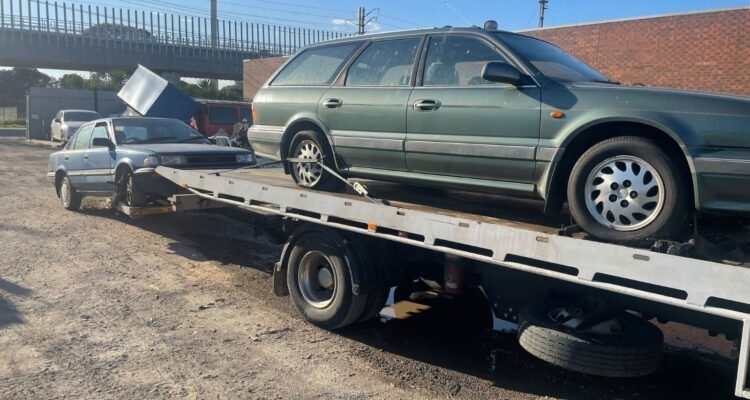
Owning an older car often comes with an important financial decision: should you keep paying for repairs, or is it finally time to scrap the vehicle? A small repair can make sense when a car is otherwise reliable, but repeated breakdowns, expensive replacement parts, and declining value can quickly change the equation.
For owners considering Car Removal Brisbane, understanding the real cost of keeping an ageing vehicle can make the decision easier. The right choice depends on the car’s condition, market value, repair costs, reliability, and how much longer you realistically expect to use it.
1. Compare Repair Costs With the Car’s Value
Start by finding out approximately how much your vehicle is worth in its current condition and how much it could be worth after repairs.
For example, spending a few hundred dollars to fix a minor issue on an otherwise dependable vehicle may be worthwhile. However, spending several thousand dollars repairing a car with a relatively low market value may be harder to justify.
Ask a mechanic for a detailed estimate before making your decision. Consider both the immediate repair and other problems likely to appear soon.
If the repair costs are approaching or exceeding the car’s realistic value, scrapping or selling the vehicle may make more financial sense.
2. Consider How Often the Car Breaks Down
One repair doesn’t necessarily mean your car has reached the end of its life. Older vehicles can still provide reliable transportation when they have been properly maintained.
Repeated breakdowns are a different story.
If you’re visiting a mechanic every few months for different problems, those individual bills can add up quickly. You may also face towing expenses, alternative transportation costs, and lost time.
At that point, contacting a Car Removal Brisbane provider and comparing the vehicle’s potential sale or scrap value can help you evaluate another option.
3. Look at the Type of Repairs Needed
Not all repairs should be treated equally. Replacing worn brake pads, a battery, or a damaged light may be part of normal vehicle ownership.
Major mechanical or structural problems can be much more expensive.
Common high-cost problems can involve:
Engine failure
Transmission problems
Major electrical faults
Extensive accident damage
Severe corrosion
Suspension issues
Multiple mechanical problems at once
Before approving expensive work, ask whether repairing one problem is likely to reveal additional issues.
4. Think About Reliability
Financial cost isn’t the only consideration. Reliability matters, particularly if you depend on your vehicle for commuting, family responsibilities, appointments, or regular long-distance travel.
A vehicle that constantly leaves you worried about whether it will start tomorrow may no longer meet your needs.
Even when repairs appear affordable individually, unpredictable breakdowns can make continued ownership inconvenient. If reliability has declined significantly, replacing or scrapping the vehicle could be worth considering.
5. Don’t Forget Ongoing Ownership Costs
When deciding whether to repair an old car, motorists sometimes focus only on the mechanic’s bill. But keeping an ageing vehicle can involve several additional expenses.
Depending on the vehicle, these may include servicing, registration, insurance, tyres, replacement components, towing, and increasingly frequent maintenance.
Calculate what you have spent on the car over the previous 12 months. Then estimate what you’re likely to spend during the next year.
This gives you a clearer picture of the true cost of keeping it.
6. Consider the Condition of the Whole Vehicle
A major repair may make sense if everything else is in excellent condition. However, putting a new transmission into a car that also has rust, worn suspension, electrical faults, damaged paint, and a deteriorating interior may simply delay another expensive decision.
Assess the entire vehicle rather than focusing on one problem.
If several major components are approaching the end of their useful lives, scrapping the car may become a more practical choice.
7. Find Out What the Car Is Worth as Scrap
An old or damaged car doesn’t necessarily become worthless simply because it can no longer be driven.
Vehicles contain metals, mechanical components, electrical parts, and other materials that may retain value. Depending on the car’s make, model, age, completeness, and condition, a buyer or wrecker may provide an offer.
Getting several quotes can help you understand your options.
Motorists outside Brisbane can also investigate services such as Cash for Cars Gold Coast, Cash for Cars Toowoomba, Cash for Cars Caboolture, and Cash for Cars Sunshine Coast depending on where the vehicle is located.
8. Consider Whether the Car Is Safe
Safety should be an important part of your decision.
Older vehicles can develop problems involving brakes, steering, suspension, tyres, structural components, lights, and other important systems. If your mechanic identifies significant safety problems, ask exactly what needs to be repaired and what those repairs will cost.
A vehicle shouldn’t be driven when its condition makes it unsafe or unroadworthy. When repair costs become impractical, arranging professional removal may be a better option than continuing to use it.
9. Repairing Can Still Be the Right Choice
Scrapping isn’t automatically the best option just because a vehicle is old.
Repairing may make sense when:
The vehicle has been reliable overall.
The problem is relatively minor.
Repair costs are reasonable compared with the car’s value.
Major components remain in good condition.
The vehicle suits your current needs.
You expect to keep using it for several more years.
A well-maintained older car can sometimes be less expensive than immediately replacing it.
10. When Does Scrapping Make More Sense?
Scrapping may be worth considering when the vehicle has reached a point where continued repairs provide poor value.
Common signs include major mechanical failure, extensive accident damage, serious corrosion, repeated breakdowns, very low resale value, or several expensive repairs being required simultaneously.
For owners in Southeast Queensland, Car Removal Brisbane services may provide a convenient option for unwanted or non-running vehicles. Similarly, Cash for Cars Gold Coast, Cash for Cars Toowoomba, Cash for Cars Caboolture, and Cash for Cars Sunshine Coast may be relevant when comparing options in surrounding areas.
11. Get More Than One Quote Before Deciding
Before sending your car to a wrecker, compare several offers. Provide accurate information about the vehicle, including its make, model, year, mileage, mechanical condition, registration status, and major damage.
Also ask whether towing or collection is included in the quoted amount.
Comparing the total amount you would receive for the vehicle against the cost of repairs can make your final decision much clearer.
Final Thoughts
Choosing between repairing and scrapping an old car comes down to more than its age. A reliable older vehicle with a relatively inexpensive problem can still be worth repairing. On the other hand, a low-value car requiring major mechanical work and frequent maintenance may no longer justify additional spending.
Start by comparing repair costs, market value, reliability, safety, and likely future expenses. Then obtain quotes from relevant buyers or wreckers, including Car Removal Brisbane, Cash for Cars Gold Coast, Cash for Cars Toowoomba, Cash for Cars Caboolture, and Cash for Cars Sunshine Coast services where appropriate.
By comparing the numbers rather than making the decision based on age alone, you can determine whether your old car deserves another repair or whether it’s finally time to let it go

