Welcome To DWT Listing Theme
-
All Locations :

Welcome To DWT Listing Theme
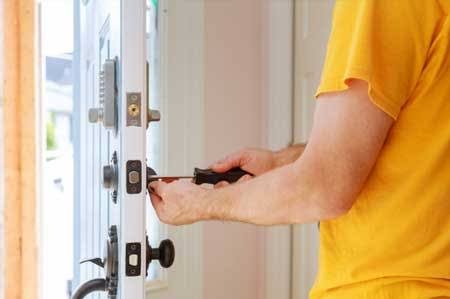
A door lock is used so routinely that most people rarely think about its condition until the key becomes difficult to turn, the latch starts sticking, or the door refuses to lock properly. These problems may appear suddenly, but in many cases, lock failure develops gradually.
Daily use, worn components, door misalignment, damaged keys, dust, moisture, and improper handling can all affect how smoothly a locking mechanism operates. What begins as minor resistance can eventually turn into a jammed lock, broken key, or a door that cannot be secured.
Understanding what causes locks to deteriorate can help homeowners and tenants recognize problems before they become emergencies. If you are considering door lock repair in Dubai, identifying the actual cause of the problem is also important because not every faulty lock requires complete replacement.
Here are the most common reasons door locks fail over time and the warning signs worth watching.
Every time you lock or unlock a door, several small components inside the mechanism move.
Depending on the lock type, these can include:
After thousands of locking and unlocking cycles, these components can gradually wear.
At first, you may only notice that the key does not turn as smoothly as it used to. Later, the cylinder may feel stiff, the latch may respond slowly, or the handle may develop excessive movement.
Frequently used entrances usually experience wear faster than doors that are opened only occasionally. A villa’s main entrance, apartment front door, office entrance, or shop door can therefore show mechanical problems earlier than an interior room lock.
Routine wear does not necessarily mean the complete lock needs to be replaced. Individual components may sometimes be adjusted, serviced, or replaced depending on the lock’s condition.
A surprising number of apparent lock problems are actually caused by the door.
For a lock to operate smoothly, the latch or bolt must line up correctly with the strike plate installed in the frame.
When alignment changes, you may find yourself:
A useful test is to operate the lock while the door is open.
If the lock works smoothly when open but becomes difficult when the door is closed, alignment is likely contributing to the problem.
Possible causes include hinge movement, changes in the door position, loose fittings, or strike-plate alignment.
Ignoring this problem places unnecessary pressure on the locking mechanism. Over time, that extra resistance can contribute to worn cylinders, damaged bolts, bent keys, and internal lock failure.
Correcting alignment early may prevent a relatively simple issue from becoming a more expensive repair.
Keys also wear out.
The edges of a key can gradually become rounded after years of use. Keys may also bend slightly after being dropped, carried with heavy objects, or repeatedly forced into a stiff lock.
A badly worn key may no longer position the internal components of the cylinder correctly.
Signs of a key problem include:
If you have a spare key in better condition, test it.
When the spare operates the lock smoothly, the original key may be the main problem rather than the cylinder itself.
Continuing to use a damaged key can make matters worse. A key that requires additional force has a greater chance of snapping inside the cylinder.
Door locks contain small moving components with limited internal space.
Dust, dirt, and tiny particles can gradually enter the keyway and interfere with these components. When enough contamination accumulates, the lock may become rough or inconsistent.
You might notice that the key:
Trying to solve the issue by adding large amounts of random household oil can sometimes create additional problems. Certain products can leave residue that attracts more dust and debris.
A lock that has become dirty should be cleaned and serviced appropriately rather than repeatedly flooded with unsuitable lubricants.
If cleaning does not improve operation, internal wear may also be present.
One of the fastest ways to turn a minor lock problem into a major one is to use excessive force.
If a key does not turn normally, applying more pressure may damage:
The same applies to doors that need to be slammed or pulled hard before locking.
Locks are designed to operate when their components are correctly aligned. If substantial force is suddenly necessary, something has changed.
Rather than making force part of the normal routine, investigate why the lock has become difficult to operate.
Early door lock repair may involve a relatively simple adjustment. Continuing to force the mechanism can eventually make replacement necessary.
Door handles, cylinders, escutcheons, and other lock components should remain securely fitted.
Over time, screws and mounting hardware can loosen.
A loose handle may seem mostly cosmetic, but excessive movement can affect the internal mechanism connected to it.
Watch for:
Some visible hardware can simply be tightened. However, if the problem repeatedly returns, the mounting points or internal components should be inspected.
A loose cylinder deserves particular attention because it should remain stable while the locking mechanism is operated.
The latch should retract when the handle is pressed and return smoothly once released.
With repeated use, springs and related components can weaken or break.
You may notice:
A sticking latch can sometimes result from alignment rather than an internal fault, so proper diagnosis matters.
If the latch operates normally with the door open but struggles when closing into the frame, check alignment first.
If it sticks regardless of the door position, the internal mechanism may require attention.
Keys rarely break for no reason.
While an old or damaged key itself may be responsible, a broken key can also indicate that the lock had already become too stiff.
If part of a key remains inside the cylinder, avoid trying to push it deeper with another key, screwdriver, or sharp object.
Improvised extraction attempts can damage the cylinder and make removal more difficult.
After the broken piece is removed, the lock should also be tested to determine why the key snapped.
If excessive resistance caused the failure, simply cutting another key will not solve the original problem.
Even a new lock can perform badly when it is not installed correctly.
Installation problems may include:
Locks should be compatible with the specific door and locking configuration.
Wooden doors, aluminium doors, sliding doors, glass-door systems, and heavy villa entrance doors can require different hardware.
If a mechanism is poorly matched to the door, repeated stress can cause premature wear.
This is why compatibility and correct fitting are important during both lock replacement and door lock repair in Dubai.
Not every lock is a simple cylinder-and-latch arrangement.
Many entrance doors use mortise locks or multi-point locking mechanisms containing several interacting parts.
When one component begins to fail, the symptoms may appear elsewhere.
For example, a user may assume the cylinder is damaged because the key feels stiff, while the actual resistance comes from a misaligned multi-point mechanism.
Similarly, a loose handle might be related to an internal spindle or spring rather than the handle itself.
For these systems, replacing parts without identifying the source of the problem can result in unnecessary work.
Repair may be appropriate when the main lock remains structurally sound and the problem can be isolated.
Examples include:
Early repair can often prevent additional strain on the rest of the lock.
Replacement may make more sense when:
A professional inspection can help determine whether a cylinder change, component repair, adjustment, or complete replacement is appropriate.
The objective should be to solve the actual fault rather than replacing working hardware unnecessarily.
Common causes include mechanical wear, dirt inside the cylinder, damaged keys, lack of appropriate maintenance, or pressure caused by door misalignment.
This usually suggests an alignment issue. The latch or bolt may not line up correctly with the strike plate when the door closes.
Many locks can be repaired when the damage is limited to serviceable components. Severe physical damage or extensive internal wear may make replacement more practical.
It is better to investigate the problem. Try a spare key first. If both keys behave the same way, the cylinder or another part of the locking mechanism may require attention.
Possible causes include a worn key, damaged cylinder components, debris inside the keyway, or pressure from door misalignment.
Not necessarily. Loose screws or fittings can cause handle movement, but recurring looseness may indicate wear in the mounting points or internal mechanism.
It depends on its condition. A reliable lock with a minor fault may be worth repairing. A badly worn mechanism with repeated failures may be better replaced.
Consider professional inspection when the lock becomes consistently stiff, repeatedly jams, has a stuck or broken key, fails to latch properly, becomes loose, or can no longer secure the door reliably.
Door locks usually deteriorate gradually rather than failing without warning.
Changes such as a stiff key, loose handle, sticking latch, misaligned bolt, or intermittent jamming can indicate that the mechanism is under increasing stress.
The most important thing is not to compensate by using more force.
Identifying whether the problem comes from the key, cylinder, latch, alignment, hardware, or internal mechanism can prevent further damage.
For anyone considering door lock repair in Dubai, early diagnosis can also help determine whether a minor adjustment is sufficient or whether specific parts need repair or replacement.
A lock that operates smoothly today is easy to overlook, but paying attention to small changes in its behaviour can help prevent inconvenient failures and keep your door functioning reliably for longer.

