Welcome To DWT Listing Theme
-
All Locations :

Welcome To DWT Listing Theme
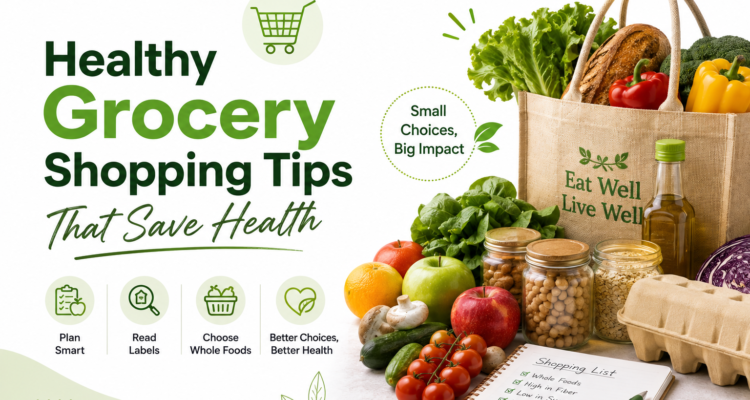
Healthy eating starts before you cook.
It starts at the grocery store.
What you put in your shopping basket often decides what ends up on your plate during the week. If your kitchen is filled with fruits, vegetables, dal, whole grains, nuts, curd, and other basic foods, making a balanced meal becomes much easier.
But grocery shopping can get confusing.
There are “healthy” labels, low-fat products, protein bars, sugar-free snacks, packaged juices, and countless products claiming to be better for you.
Do you really need all of them?
Probably not.
A healthier grocery basket usually comes from simple choices rather than expensive health products.
Walking into a supermarket without a plan can quickly turn into buying whatever catches your attention.
A grocery list helps you stay focused.
Before leaving home, think about the meals you expect to prepare during the next few days.
Your list can include:
Planning doesn’t need to be complicated.
Even a five-minute list can reduce unnecessary purchases.
This is one of the easiest rules to follow.
Fresh vegetables, fruits, lentils, beans, whole grains, nuts, and seeds usually don’t need complicated nutrition claims on the front of a packet.
They simply are what they are.
Try making these foods the foundation of your grocery basket.
For example, instead of buying several flavoured snack products, you could buy:
These foods can be used across several meals and snacks.
Many people add vegetables at the end of their shopping trip.
Try doing the opposite.
Start with vegetables.
Pick a mix of colours and types rather than buying the same two or three vegetables every week.
You could choose:
Fresh, frozen, and canned vegetables can all have a place in a healthy diet. The key is choosing options that fit your budget, storage space, and cooking routine.
Fruit is an easy snack when you’re busy.
You don’t need expensive imported fruits either.
Indian markets offer plenty of affordable options depending on the season.
Try rotating between:
Whole fruit is generally a better everyday choice than fruit drinks because it also provides fibre.
Your grain choices can make a difference to the overall quality of your meals.
Instead of buying only refined grain products, include whole or less-refined options where they suit your meals.
Some choices include:
You don’t need to stop eating white rice or traditional foods you enjoy.
Try adding more variety instead.
Protein makes meals more satisfying and supports many functions in the body.
Your grocery list can include affordable protein sources such as:
You don’t need expensive protein products to build balanced meals.
Dal and beans can do a lot of the work.
Packaged foods need a little more attention.
Don’t judge a product only by words such as “natural,” “light,” “multigrain,” or “sugar-free.”
Turn the packet around.
Check the nutrition information and ingredient list.
Look at:
Nutrition labels are designed to help you compare products and understand what you’re actually eating. FDA guidance also recommends paying attention to serving size and choosing foods that are higher in nutrients such as fibre and lower in saturated fat, sodium, and added sugars.
Bright green packaging, pictures of grains, and words like “fit” or “natural” can make a product look healthier than it really is.
Take a closer look.
A cereal may contain whole grains but also have a significant amount of added sugar.
A flavoured yogurt may contain dairy but also plenty of added sweeteners.
A snack may say “baked” while still being high in sodium.
The front of the package is designed to get your attention.
The ingredient list and nutrition information tell you more.
You don’t need to analyse every food in the supermarket.
When buying packaged products, compare two or three similar options.
For example, if you’re buying breakfast cereal, compare:
Doing this regularly makes label reading much faster.
The FDA uses 5% of the Daily Value as a general reference for a low amount of a nutrient and 20% or more as a high amount. The actual choice still depends on your overall diet and individual needs.
Your environment affects your food choices.
If biscuits and chips are sitting on the kitchen counter, they’re easy to grab.
If fruit, roasted chana, or nuts are ready to eat, those become easier choices too.
Keep simple snacks available:
You don’t have to ban packaged snacks.
Just avoid making them the easiest option every day.
Healthy grocery shopping doesn’t have to be expensive.
In fact, some of the most useful foods are inexpensive.
Think about:
Seasonal produce is often more affordable than imported or out-of-season choices.
Buy foods you’ll actually eat.
There’s little value in spending money on an expensive ingredient that sits untouched in your cupboard.
This sounds simple, but it can make a difference.
When you’re very hungry, high-calorie snacks and ready-to-eat foods can suddenly look much more appealing.
If possible, shop after a meal or snack.
You’ll have an easier time sticking to your list.
Before shopping, look inside your pantry.
You may already have rice, dal, flour, spices, nuts, or canned foods that need to be used.
Make a quick list of what needs replacing.
This reduces food waste and prevents you from buying duplicates.
It also saves money.
One useful trick is to buy ingredients that can work in different dishes.
For example, spinach can go into:
Chickpeas can become:
When one ingredient works across several meals, grocery shopping becomes simpler.
You don’t need a cupboard full of protein cookies, detox drinks, seed mixes, and expensive powders to eat well.
Some of these products can have a place in certain diets.
But they aren’t automatically healthier because they’re marketed as health foods.
A basic grocery basket containing vegetables, fruits, whole grains, legumes, protein foods, and suitable dairy products can provide the foundation for balanced meals. Current nutrition guidance also places emphasis on varied food groups while limiting excess saturated fat, sodium, and added sugars.
Your grocery list should reflect your actual needs.
Someone who exercises regularly may have different protein needs from someone with a sedentary routine.
A person managing a medical condition may also need specific dietary changes.
The Best Nutritionist in Pune can help create a practical food plan based on scientific research, your health needs, food preferences, and budget. This can make grocery shopping more focused because you’re buying foods that actually fit your routine rather than following random online diet lists.
You don’t need to become perfect at grocery shopping.
Start with a few habits:
These small changes can make your kitchen a much easier place to eat well.
Healthy eating doesn’t begin with a complicated recipe.
It often begins with what you decide to put in your shopping basket.
Healthy grocery shopping doesn’t mean filling your cart with expensive products.
It means buying foods that make balanced meals easier.
Before your next shopping trip, ask yourself:
These simple questions can help you shop with more purpose.
If you’re not sure where to start, keep your list basic:
You can adjust the list based on your family’s preferences and dietary needs.
You don’t have to buy organic food, expensive superfoods, or specialty products to eat well.
Local and seasonal foods can be nutritious, affordable, and easier to cook.
You also don’t need to completely avoid your favourite packaged foods.
The goal is to make nutritious choices more common in your kitchen.
What you bring home matters.
When your refrigerator contains vegetables, fruits, curd, and other basic ingredients, preparing a balanced meal becomes easier.
When your pantry is mostly filled with ready-to-eat snacks, those foods naturally become easier to reach for.
So start with the grocery basket.
Plan ahead.
Read labels.
Buy foods you will actually use.
A few simple shopping habits can make healthy eating easier throughout the entire week.

