
Mole Removal in Abington: A Complete Guide to Safe and Effective Treatment
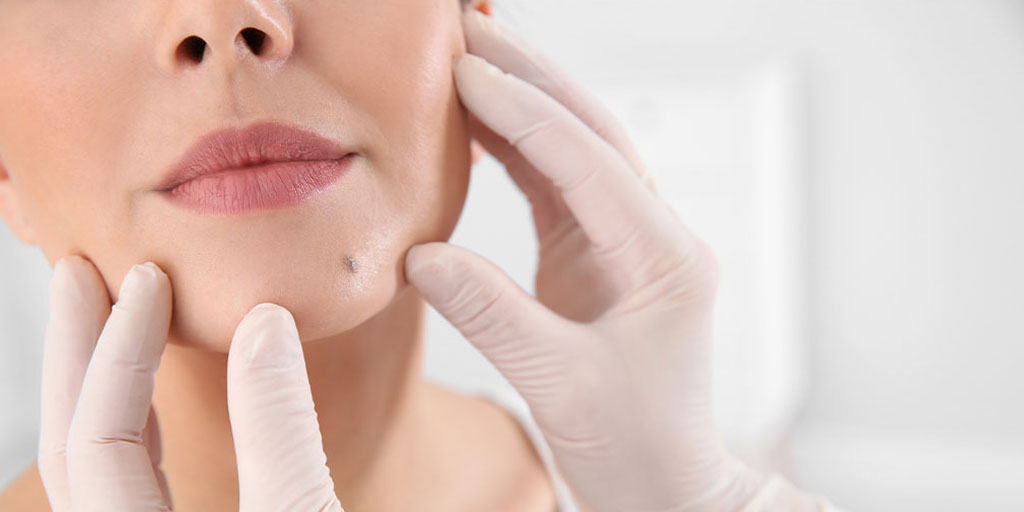
Moles are common skin growths that can appear on almost any part of the body, including the face, neck, arms, and back. While many moles are harmless, some people choose to have them removed because of cosmetic concerns, irritation, or changes in their appearance. If you are considering mole removal Abington, understanding the available treatment options, the importance of professional evaluation, and the recovery process can help you make an informed decision.
Choosing the right treatment begins with an examination by a qualified medical professional. Not every mole requires removal, and not every dark spot or raised skin growth is actually a mole. A professional can evaluate the lesion, determine whether additional testing is necessary, and recommend an appropriate treatment approach based on your skin, medical needs, and cosmetic goals.
What Is Mole Removal?
Mole removal is a medical procedure used to eliminate a mole or skin lesion. Depending on the type, size, depth, and location of the growth, treatment may involve surgical excision, shave removal, or another suitable technique.
Some people seek removal because a mole affects their appearance, particularly when it is located on a visible part of the face. Others experience irritation when a mole rubs against clothing, gets caught during shaving, or becomes uncomfortable during everyday activities.
Medical evaluation is particularly important when a mole changes in size, shape, color, or texture. In these situations, a provider may recommend further examination or removal to establish an accurate diagnosis.
Why Consider Professional Mole Removal in Abington?
Residents of Abington who are concerned about an unwanted mole can benefit from seeking an appropriate medical evaluation before deciding on treatment. A qualified professional can assess the lesion and explain whether removal is necessary, optional, or best approached through monitoring.
Professional care is important because different skin growths can look similar. A lesion that appears to be an ordinary mole may require a different treatment approach from a skin tag, seborrheic keratosis, or another type of growth.
A medical examination also helps identify warning signs that should not be ignored. The provider can explain the benefits and limitations of available procedures, discuss potential scarring, and establish realistic expectations for healing.
Common Reasons for Mole Removal
People consider mole removal for several reasons. Cosmetic concerns are common, especially when a mole is prominent or affects an individual’s confidence. A person may prefer a smoother-looking area of skin or want to address a growth that attracts unwanted attention.
Physical irritation is another reason for treatment. Moles located near clothing seams, shaving areas, or other points of friction may become irritated repeatedly.
Some moles require closer attention because of changes in their appearance. A lesion that develops irregular borders, multiple colors, unexplained bleeding, or noticeable growth should be assessed by a qualified professional.
Understanding why you want a mole removed helps the provider determine the most appropriate next step.
What Mole Removal Methods Are Available?
The treatment method depends on the characteristics of the mole and the reason for removing it.
Surgical Excision
Surgical excision involves removing the mole along with an appropriate amount of surrounding tissue when clinically indicated. The area may be closed with sutures, depending on the size and location of the lesion.
This technique can be appropriate when complete removal and laboratory examination are needed. The provider will explain the procedure, possible scarring, and expected healing before treatment.
Shave Removal
Shave removal involves removing a raised lesion at or near the skin’s surface. It may be suitable for selected superficial growths, depending on the clinical assessment.
Not every mole is appropriate for this method. If a lesion has suspicious characteristics, the provider may recommend a different approach that allows adequate tissue examination.
Other Treatment Options
Certain benign skin lesions may be suitable for other techniques, depending on their diagnosis and location. However, methods such as laser treatment or cautery should not automatically be used for every pigmented lesion because they may not provide tissue for pathology.
The safest approach is to establish what the lesion is before selecting a removal method.
Does Mole Removal Leave a Scar?
Any procedure that removes skin tissue can leave a scar. The final appearance depends on the size and depth of the mole, the removal technique, the treated area, and how your skin heals.
Moles on the face may require particular attention because the area is visible, while lesions on the body may heal differently depending on skin tension and movement.
During your consultation, ask about the expected scar, whether stitches will be needed, and how the treatment area may look during recovery. Although careful technique and appropriate aftercare can support healing, no provider can guarantee a completely scar-free result.
What Happens During the Mole Removal Process?
The process usually begins with a consultation and examination. The provider reviews the mole’s history, checks its appearance, and discusses any symptoms or changes you have noticed.
If removal is appropriate, the recommended procedure and possible risks are explained. Many minor procedures can be performed using local anesthesia, although the exact approach depends on the lesion and the patient’s circumstances.
After removal, the provider gives instructions for caring for the treated area. If the tissue needs microscopic examination, it may be sent to a pathology laboratory. A follow-up appointment may be arranged to review the results or assess healing.
What Is Recovery Like After Mole Removal?
Recovery varies according to the procedure, the size of the lesion, and the location. Temporary redness, swelling, tenderness, or bruising may occur.
Keeping the area clean and following the provider’s wound-care instructions can help support healing. Avoid picking at scabs or applying unapproved products to the treated skin, as these actions may increase irritation or scarring.
If stitches are used, the provider will explain whether they need to be removed. You should also ask when it is appropriate to resume exercise, shaving, makeup, or other activities that may affect the healing area.
Contact your medical provider if you experience increasing pain, spreading redness, worsening swelling, pus, fever, or bleeding that does not stop with appropriate pressure.
When Should a Mole Be Examined?
Not every mole is dangerous, but certain changes warrant professional assessment. Pay attention to changes in size, shape, color, or texture, as well as irregular borders, unexplained bleeding, persistent itching, or crusting.
The ABCDE guide can help people recognize potentially concerning pigmented lesions: asymmetry, border irregularity, color variation, diameter, and evolution over time.
This guide is not a diagnosis, and some concerning lesions may not display every feature. If a mole looks different from your other moles or is changing noticeably, arrange a professional examination rather than attempting to remove it yourself.
How to Choose a Mole Removal Provider in Abington
When choosing a provider, look for appropriate medical qualifications and experience evaluating and treating skin lesions. The provider should explain the recommended technique, potential risks, possible scarring, and whether pathology is necessary.
Ask what the quoted treatment includes, whether consultation and follow-up fees are separate, and how you will receive any laboratory results.
You should also feel comfortable asking questions and discussing your cosmetic expectations. A careful evaluation is more valuable than choosing a treatment solely because it is advertised as quick or inexpensive.
Final Thoughts
Mole removal can address cosmetic concerns, recurring irritation, or lesions that require medical evaluation. For anyone considering treatment in Abington, the first step is to have the mole assessed by a qualified professional who can recommend an appropriate approach.
The best treatment depends on the type of lesion, its location, and your individual needs. Professional evaluation, realistic expectations, appropriate aftercare, and pathology when indicated all contribute to responsible treatment planning.
Avoid cutting, burning, or applying unregulated mole-removal products at home. With a suitable medical assessment and individualized care, you can make a more informed decision about whether mole removal is right for you.
Comments
Add a comment
Mole Removal in Abington: A Complete Guide to Safe and Effective Treatment
Moles are common skin growths that can appear on almost any part of the body, including the face, neck, arms, and back. While many moles are harmless, some people choose to have them removed because of cosmetic concerns, irritation, or changes in their appearance. If you are considering mole removal Abington, understanding the available treatment options, the importance of professional evaluation, and the recovery process can help you make an informed decision.
Choosing the right treatment begins with an examination by a qualified medical professional. Not every mole requires removal, and not every dark spot or raised skin growth is actually a mole. A professional can evaluate the lesion, determine whether additional testing is necessary, and recommend an appropriate treatment approach based on your skin, medical needs, and cosmetic goals.
What Is Mole Removal?
Mole removal is a medical procedure used to eliminate a mole or skin lesion. Depending on the type, size, depth, and location of the growth, treatment may involve surgical excision, shave removal, or another suitable technique.
Some people seek removal because a mole affects their appearance, particularly when it is located on a visible part of the face. Others experience irritation when a mole rubs against clothing, gets caught during shaving, or becomes uncomfortable during everyday activities.
Medical evaluation is particularly important when a mole changes in size, shape, color, or texture. In these situations, a provider may recommend further examination or removal to establish an accurate diagnosis.
Why Consider Professional Mole Removal in Abington?
Residents of Abington who are concerned about an unwanted mole can benefit from seeking an appropriate medical evaluation before deciding on treatment. A qualified professional can assess the lesion and explain whether removal is necessary, optional, or best approached through monitoring.
Professional care is important because different skin growths can look similar. A lesion that appears to be an ordinary mole may require a different treatment approach from a skin tag, seborrheic keratosis, or another type of growth.
A medical examination also helps identify warning signs that should not be ignored. The provider can explain the benefits and limitations of available procedures, discuss potential scarring, and establish realistic expectations for healing.
Common Reasons for Mole Removal
People consider mole removal for several reasons. Cosmetic concerns are common, especially when a mole is prominent or affects an individual’s confidence. A person may prefer a smoother-looking area of skin or want to address a growth that attracts unwanted attention.
Physical irritation is another reason for treatment. Moles located near clothing seams, shaving areas, or other points of friction may become irritated repeatedly.
Some moles require closer attention because of changes in their appearance. A lesion that develops irregular borders, multiple colors, unexplained bleeding, or noticeable growth should be assessed by a qualified professional.
Understanding why you want a mole removed helps the provider determine the most appropriate next step.
What Mole Removal Methods Are Available?
The treatment method depends on the characteristics of the mole and the reason for removing it.
Surgical Excision
Surgical excision involves removing the mole along with an appropriate amount of surrounding tissue when clinically indicated. The area may be closed with sutures, depending on the size and location of the lesion.
This technique can be appropriate when complete removal and laboratory examination are needed. The provider will explain the procedure, possible scarring, and expected healing before treatment.
Shave Removal
Shave removal involves removing a raised lesion at or near the skin’s surface. It may be suitable for selected superficial growths, depending on the clinical assessment.
Not every mole is appropriate for this method. If a lesion has suspicious characteristics, the provider may recommend a different approach that allows adequate tissue examination.
Other Treatment Options
Certain benign skin lesions may be suitable for other techniques, depending on their diagnosis and location. However, methods such as laser treatment or cautery should not automatically be used for every pigmented lesion because they may not provide tissue for pathology.
The safest approach is to establish what the lesion is before selecting a removal method.
Does Mole Removal Leave a Scar?
Any procedure that removes skin tissue can leave a scar. The final appearance depends on the size and depth of the mole, the removal technique, the treated area, and how your skin heals.
Moles on the face may require particular attention because the area is visible, while lesions on the body may heal differently depending on skin tension and movement.
During your consultation, ask about the expected scar, whether stitches will be needed, and how the treatment area may look during recovery. Although careful technique and appropriate aftercare can support healing, no provider can guarantee a completely scar-free result.
What Happens During the Mole Removal Process?
The process usually begins with a consultation and examination. The provider reviews the mole’s history, checks its appearance, and discusses any symptoms or changes you have noticed.
If removal is appropriate, the recommended procedure and possible risks are explained. Many minor procedures can be performed using local anesthesia, although the exact approach depends on the lesion and the patient’s circumstances.
After removal, the provider gives instructions for caring for the treated area. If the tissue needs microscopic examination, it may be sent to a pathology laboratory. A follow-up appointment may be arranged to review the results or assess healing.
What Is Recovery Like After Mole Removal?
Recovery varies according to the procedure, the size of the lesion, and the location. Temporary redness, swelling, tenderness, or bruising may occur.
Keeping the area clean and following the provider’s wound-care instructions can help support healing. Avoid picking at scabs or applying unapproved products to the treated skin, as these actions may increase irritation or scarring.
If stitches are used, the provider will explain whether they need to be removed. You should also ask when it is appropriate to resume exercise, shaving, makeup, or other activities that may affect the healing area.
Contact your medical provider if you experience increasing pain, spreading redness, worsening swelling, pus, fever, or bleeding that does not stop with appropriate pressure.
When Should a Mole Be Examined?
Not every mole is dangerous, but certain changes warrant professional assessment. Pay attention to changes in size, shape, color, or texture, as well as irregular borders, unexplained bleeding, persistent itching, or crusting.
The ABCDE guide can help people recognize potentially concerning pigmented lesions: asymmetry, border irregularity, color variation, diameter, and evolution over time.
This guide is not a diagnosis, and some concerning lesions may not display every feature. If a mole looks different from your other moles or is changing noticeably, arrange a professional examination rather than attempting to remove it yourself.
How to Choose a Mole Removal Provider in Abington
When choosing a provider, look for appropriate medical qualifications and experience evaluating and treating skin lesions. The provider should explain the recommended technique, potential risks, possible scarring, and whether pathology is necessary.
Ask what the quoted treatment includes, whether consultation and follow-up fees are separate, and how you will receive any laboratory results.
You should also feel comfortable asking questions and discussing your cosmetic expectations. A careful evaluation is more valuable than choosing a treatment solely because it is advertised as quick or inexpensive.
Final Thoughts
Mole removal can address cosmetic concerns, recurring irritation, or lesions that require medical evaluation. For anyone considering treatment in Abington, the first step is to have the mole assessed by a qualified professional who can recommend an appropriate approach.
The best treatment depends on the type of lesion, its location, and your individual needs. Professional evaluation, realistic expectations, appropriate aftercare, and pathology when indicated all contribute to responsible treatment planning.
Avoid cutting, burning, or applying unregulated mole-removal products at home. With a suitable medical assessment and individualized care, you can make a more informed decision about whether mole removal is right for you.